Introduction
Protein is an important nutrient for women who want to build strength, support muscle recovery, improve fitness, and maintain a balanced diet. Whether your goal is fat loss, muscle building, better stamina, or overall wellness, including enough protein in your meals can help support your fitness routine.
High-Protein Foods for Women is made up of amino acids that the body uses for various functions, including maintaining and repairing tissues. For women who exercise regularly, choosing a variety of protein-rich foods can make meals more satisfying and help support recovery after workouts.
The good news is that you don’t need complicated supplements or expensive foods to include more protein in your diet. Many nutritious, everyday foods can provide protein as part of a balanced meal.
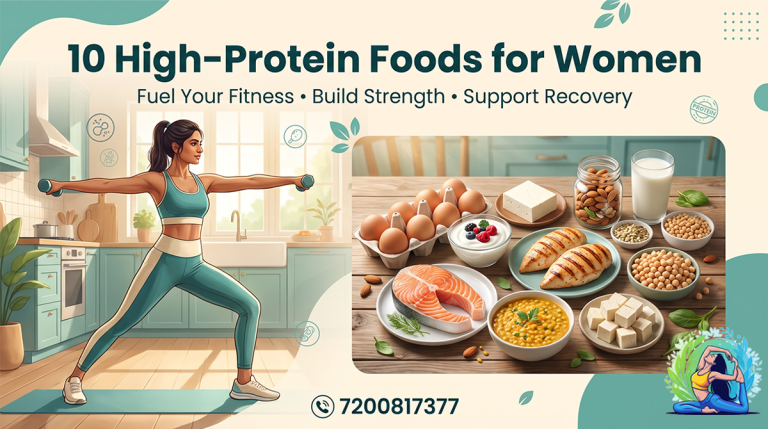
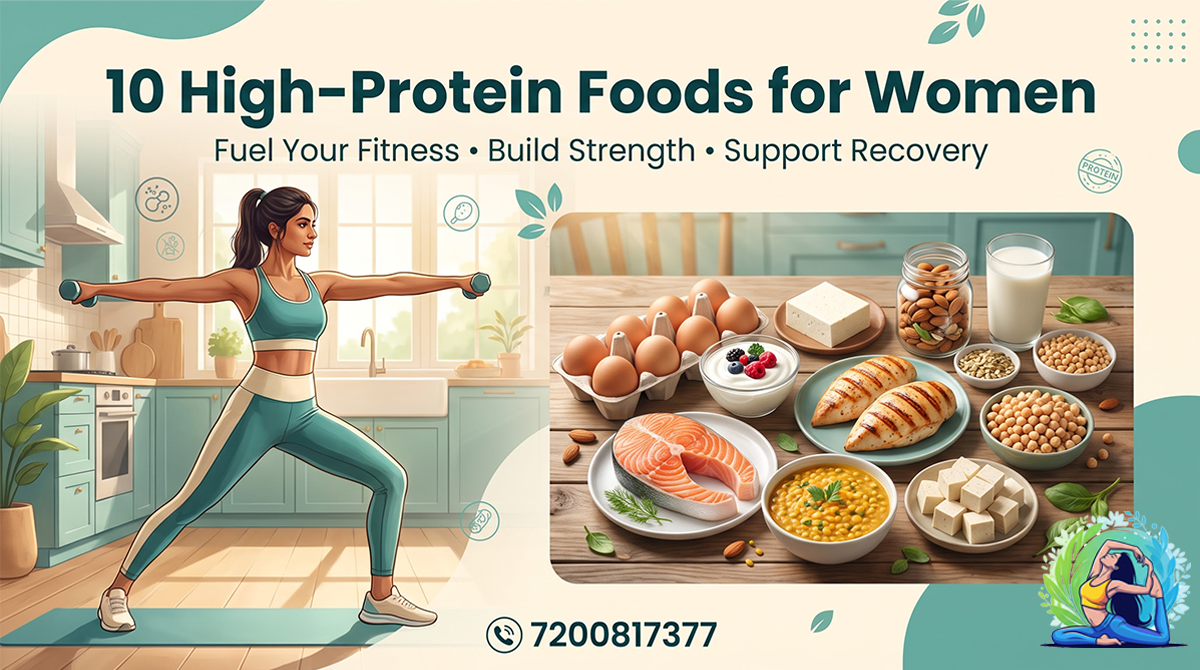
Here are 10 high-protein foods that can support women’s fitness goals.
Why Is Protein Important for Women’s Fitness?
Regular exercise places demands on your muscles. Protein provides amino acids that help your body maintain and repair muscle tissue.
Including protein-rich foods in a balanced diet may help:
- Support muscle maintenance
- Support recovery after exercise
- Help keep meals satisfying
- Support strength-training goals
- Contribute to healthy body composition
- Provide essential nutrients alongside protein
Protein is only one part of a healthy diet. Carbohydrates, healthy fats, vitamins, minerals, fiber, and adequate hydration are also important.
1. Eggs
Eggs are a convenient and versatile source of high-quality protein.
They can be prepared in many different ways, making them easy to include in breakfast, lunch, or dinner.
Easy Ways to Eat Eggs
- Boiled eggs
- Vegetable omelette
- Scrambled eggs with vegetables
- Egg sandwiches
- Egg-based breakfast bowls
Eggs also provide nutrients such as vitamin B12 and choline.
Fitness tip: Pair eggs with vegetables and a source of whole-grain carbohydrates for a balanced meal.
2. Greek Yogurt or Thick Curd
Greek yogurt and thick curd can be useful protein-rich additions to a woman’s diet.
They can be eaten as a breakfast or snack and combined with fruits, nuts, or seeds.
Simple Combination
Curd + fruit + nuts/seeds
This creates a convenient snack containing protein along with other important nutrients.
When buying packaged yogurt, check the nutrition label and choose options with minimal added sugar when appropriate.
3. Paneer
Paneer is a popular vegetarian protein source and can be incorporated into many Indian meals.
It can be especially useful for women who prefer vegetarian sources of protein.
Ways to Include Paneer
- Paneer bhurji
- Paneer with vegetables
- Paneer salad
- Grilled or lightly cooked paneer
- Paneer curry
For a fitness-focused diet, portion size and the overall preparation method matter. Choose preparations that fit your nutritional needs rather than relying heavily on fried or very rich versions.
4. Chicken
Chicken is a popular lean animal-based protein source.
Skinless chicken can be included in meals such as:
- Grilled chicken
- Chicken salad
- Chicken soup
- Chicken with vegetables
- Home-cooked chicken curry
Chicken can provide substantial protein without needing large portions.
Choose cooking methods such as grilling, baking, steaming, or home-style cooking instead of frequently relying on deep-fried preparations.
5. Fish
Fish can provide protein along with other nutrients.
Fatty fish such as salmon, sardines, and mackerel also provide omega-3 fatty acids.
For women who enjoy seafood, fish can be included in a balanced fitness diet through:
- Grilled fish
- Steamed fish
- Fish curry
- Fish soup
- Fish with vegetables
Choose preparation methods that suit your overall nutritional goals.
6. Lentils and Dal
Lentils are an affordable and versatile plant-based protein option.
Common varieties include:
- Toor dal
- Moong dal
- Masoor dal
- Urad dal
- Chana dal
Dal can be combined with rice, roti, vegetables, or other foods to create a balanced meal.
Simple Meal Idea
Dal + vegetables + brown rice or whole-grain roti
This combination provides protein along with carbohydrates, fiber, and other nutrients.
7. Chickpeas and Other Beans
Chickpeas, kidney beans, black beans, and other legumes can provide plant-based protein and fiber.
They can be useful for women following vegetarian or plant-forward diets.
Easy Meal Ideas
- Chickpea salad
- Chana sundal
- Chickpea curry
- Rajma with rice
- Bean and vegetable bowls
- Sprouted-legume salads
Because legumes also provide carbohydrates and fiber, they can contribute to a filling and nutritious meal.
8. Soy Foods
Soy foods can provide a convenient plant-based source of protein.
Options include:
- Tofu
- Tempeh
- Soybeans
- Unsweetened soy milk
Tofu can absorb the flavors of different dishes, making it versatile for Indian and international recipes.
Try
Tofu stir-fry with vegetables or a lightly spiced tofu curry with a balanced carbohydrate source.
9. Nuts and Seeds
Nuts and seeds provide protein along with healthy fats and other nutrients.
Good options include:
- Almonds
- Peanuts
- Pumpkin seeds
- Chia seeds
- Flaxseeds
- Sunflower seeds
They are convenient for snacks, but portions are important because nuts and seeds are also energy-dense.
Snack Idea
A small portion of nuts with fruit can be an easy snack between meals.
10. Milk
Milk can contribute protein as well as calcium and other nutrients.
It can be included as part of breakfast, a snack, or a post-workout meal depending on your preferences and dietary needs.
For those who don’t consume dairy, fortified soy milk can be an alternative that provides protein.
How Much Protein Do Women Need?
Protein requirements vary depending on factors such as age, body size, activity level, fitness goals, pregnancy or breastfeeding status, and overall health.
There is no single protein target that is ideal for every woman.
Women who regularly perform strength training or other forms of exercise may have different protein needs from women who are mostly sedentary.
Instead of focusing only on a specific number, aim to include a protein source regularly across your meals.
If you want a personalized protein target, a registered dietitian or qualified healthcare professional can help calculate an appropriate amount based on your individual needs.
Best High-Protein Food Combinations for Women
Combining different foods can make it easier to create balanced meals.
Breakfast
Eggs + vegetables + whole-grain toast
or
Curd + fruit + nuts
Lunch
Dal + vegetables + rice
or
Chicken/fish + vegetables + roti
Evening Snack
Boiled eggs + fruit
or
Roasted chickpeas + buttermilk
Dinner
Paneer/tofu + vegetables + roti
or
Fish/chicken + vegetables + a suitable carbohydrate source
The exact portions should depend on your individual nutritional needs.
Protein for Fat Loss
Protein can be particularly useful when you’re working toward a healthy body-composition goal.
Protein-rich meals can help make meals more satisfying, while strength training can help support muscle maintenance.
However, simply eating more protein does not automatically cause fat loss.
For sustainable fat loss, consider the bigger picture:
- Balanced nutrition
- Appropriate portions
- Regular exercise
- Strength training
- Cardio and daily movement
- Adequate sleep
- Consistent habits
Avoid extreme diets that eliminate entire food groups without a valid reason.
Protein for Strength Training
Women who participate in strength training need adequate nutrition to support muscle recovery and adaptation.
A meal containing protein after exercise can be a convenient way to contribute to your daily protein intake.
Examples include:
- Eggs and toast
- Curd with fruit
- Paneer and vegetables
- Chicken with rice
- Dal with rice
- Tofu with vegetables
You don’t necessarily need a special protein product after every workout. Whole foods can contribute significantly to your overall protein intake.
Vegetarian High-Protein Options
Women following vegetarian diets have plenty of options.
Consider including:
- Paneer
- Curd
- Milk
- Dal
- Chickpeas
- Rajma
- Soybeans
- Tofu
- Nuts
- Seeds
Combining a variety of plant-based foods throughout the day can help provide different nutrients. If you follow a restrictive diet, a registered dietitian can help you plan nutritionally adequate meals.
High-Protein Foods for Busy Women
Busy schedules can make meal planning difficult.
Here are some convenient choices:
Quick Breakfast
Boiled eggs + fruit
Quick Snack
Curd + nuts
Quick Lunch
Dal + rice + vegetables
Quick Dinner
Paneer/tofu + vegetables + roti
Meal-Prep Option
Cook dal, eggs, chicken, or beans in advance and store them safely for convenient meals during the week.
Planning a few protein-rich options ahead of time can make healthy eating easier when you’re busy.
Common Mistakes When Adding More Protein
Eating Too Much Protein
More isn’t always better. Your protein needs depend on your individual circumstances.
Ignoring Other Nutrients
Don’t replace vegetables, fruits, whole grains, and healthy fats simply to increase protein.
Depending Only on Supplements
Protein powders can be convenient for some people, but they aren’t essential for everyone. Whole foods can provide protein alongside many other nutrients.
Choosing Highly Processed Protein Foods Frequently
Some packaged protein products can contain high amounts of added sugar, sodium, or other ingredients. Check labels and choose foods that fit your overall diet.
Forgetting Hydration and Fiber
A balanced fitness diet should include enough fluids and fiber-rich foods as well.
Protein and Post-Workout Nutrition
After exercise, your body needs nutrients to support recovery.
A post-workout meal or snack can include:
Protein + carbohydrates + fluids
For example:
- Curd + banana
- Eggs + whole-grain toast
- Chicken + rice
- Paneer + roti
- Tofu + vegetables
- Dal + rice
You don’t have to eat immediately after finishing a workout. What matters most is maintaining an appropriate overall eating pattern.
Can Women Get Enough Protein From Food?
Yes. Many women can meet their protein needs through a varied diet containing both plant and animal foods, depending on their dietary preferences and individual requirements.
Protein supplements may be useful in certain situations, but they should not be viewed as a replacement for a balanced diet.
If you are unsure whether you’re getting enough protein, consider discussing your diet with a qualified nutrition professional.
Important Considerations for Women
Women have different nutritional needs at different stages of life.
Pregnant and breastfeeding women, older women, athletes, and women with certain medical or dietary conditions may require individualized nutrition advice.
If you have kidney disease or another medical condition that affects your diet, don’t significantly increase protein intake without consulting your healthcare professional.
Final Thoughts
Including high-protein foods for women’s fitness goals doesn’t have to be complicated.
Eggs, curd, paneer, chicken, fish, dal, chickpeas, soy foods, nuts, seeds, and milk are all useful options that can fit into a balanced diet.
The most effective approach is to choose a variety of nutritious foods, include appropriate protein throughout the day, stay active, and support your workouts with adequate recovery.
Remember, protein is just one part of your fitness journey. Balanced nutrition, regular exercise, hydration, sleep, and consistency all work together to support a stronger and healthier lifestyle.
About the Author