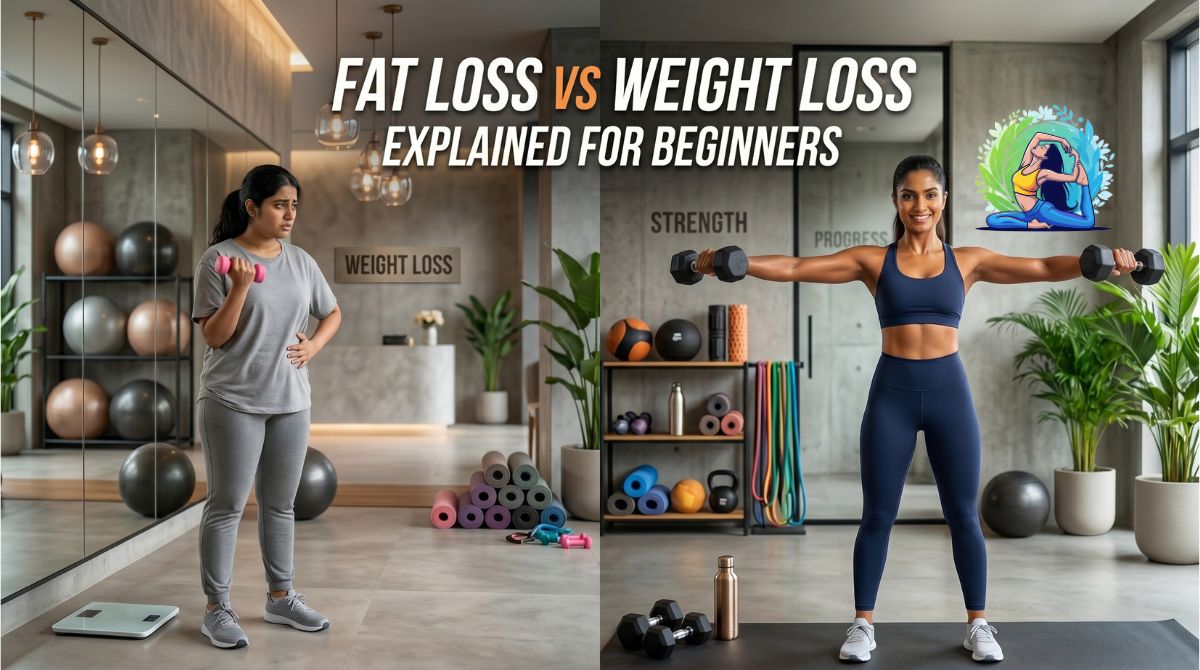
When people start a fitness journey, they often use the terms “fat loss” and “weight loss” interchangeably. But these two goals are actually very different. Understanding the difference can help you choose the right workout, diet, and lifestyle habits for better long-term results.
If you are a beginner in fitness, this guide will help you clearly understand fat loss vs weight loss in a simple and practical way.
What Is Weight Loss?
Weight loss means your overall body weight decreases. This includes:
- Body fat
- Muscle mass
- Water weight
- Glycogen (stored carbohydrates)
When the number on the weighing scale goes down, it is called weight loss.
For example, if someone skips meals, becomes dehydrated, or follows extreme diets, they may lose weight quickly. But not all of that loss comes from fat.
Common Reasons for Weight Loss
- Crash dieting
- Skipping meals
- Excessive cardio
- Dehydration
- Illness or stress
Problem With Focusing Only on Weight Loss
Losing weight too quickly can also reduce muscle mass and energy levels. This may lead to:
- Weakness
- Slower metabolism
- Poor fitness performance
- Tiredness and mood swings
That’s why the weighing scale alone cannot tell the full story of your fitness progress.
What Is Fat Loss?
Fat loss means reducing excess body fat while maintaining muscle mass and overall health.
This is considered a healthier and more sustainable fitness goal.
Instead of simply becoming “lighter,” fat loss helps your body become:
- Leaner
- Stronger
- More toned
- More energetic
During fat loss, your body composition improves even if the scale changes slowly.
Difference Between Fat Loss and Weight Loss
| Factor | Weight Loss | Fat Loss |
|---|---|---|
| Meaning | Reduction in total body weight | Reduction in body fat |
| Includes | Fat, muscle, and water | Mostly body fat |
| Speed | Usually faster | Usually slower |
| Healthy Long-Term? | Not always | Yes |
| Goal | Lower scale number | Better body composition |
| Result | Smaller body | Leaner and fitter body |
Why Fat Loss Is Better for Beginners
Many beginners become discouraged when they don’t see rapid changes on the scale. But if you are losing fat and building muscle at the same time, your body shape may improve even when weight changes slowly.
Fat loss offers several long-term benefits:
1. Better Strength
You maintain or build muscle while reducing fat.
2. Improved Metabolism
More muscle helps burn more calories naturally.
3. Better Energy Levels
Balanced nutrition and workouts improve daily energy.
4. Healthy Appearance
Your body looks toned instead of just thinner.
5. Sustainable Results
Fat loss habits are easier to maintain for life.
Signs You Are Losing Fat
Even if the scale does not move much, these signs show fat loss is happening:
- Clothes fit better
- Waist size decreases
- Body looks more toned
- Improved stamina
- Better workout performance
- Visible muscle definition
Taking progress photos and body measurements can be more helpful than checking weight daily.
Best Ways to Achieve Fat Loss
1. Focus on Strength Training
Strength workouts help preserve muscle while burning fat.
Examples:
- Squats
- Lunges
- Dumbbell workouts
- Resistance band exercises
- Bodyweight training
2. Eat Enough Protein
Protein supports muscle recovery and keeps you full longer.
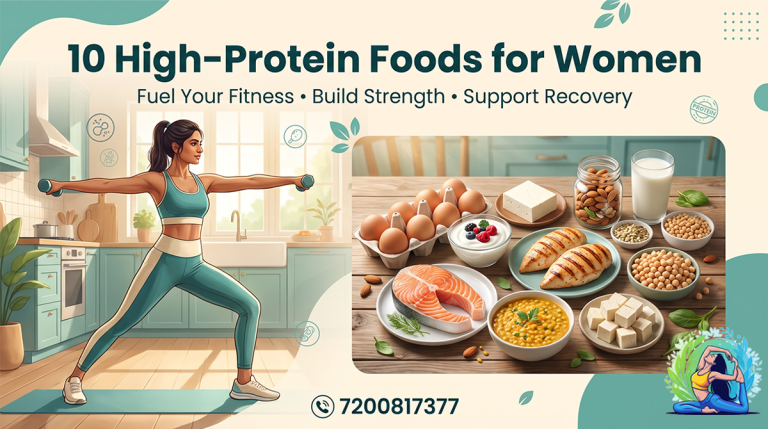
Protein-rich foods:
- Eggs
- Paneer
- Chicken
- Fish
- Lentils
- Greek yogurt
3. Avoid Crash Diets
Extreme diets may reduce weight quickly but can damage metabolism and muscle mass.
Instead:
- Eat balanced meals
- Reduce processed foods
- Control portion sizes
4. Include Cardio Smartly
Walking, cycling, HIIT, and dancing can support fat burning when combined with strength training.
5. Sleep Properly
Poor sleep can increase cravings and slow fat loss progress.
Aim for:
- 7 to 8 hours of quality sleep
6. Stay Consistent
Small daily habits matter more than short-term extreme efforts.
Common Beginner Mistakes
Only Checking the Scale
Weight naturally changes because of water retention, hormones, and food intake.
Doing Too Much Cardio
Excessive cardio without strength training may reduce muscle mass.
Eating Too Little
Very low-calorie diets can slow metabolism and increase fatigue.
Expecting Fast Results
Healthy fat loss takes time and consistency.
Which Goal Should You Choose?
If your goal is:
- Better fitness
- A toned body
- More confidence
- Improved health
- Sustainable transformation
Then fat loss should be your focus instead of only weight loss.
A healthy body is not just about being lighter — it is about being stronger, healthier, and more energetic.
Final Thoughts
Understanding the difference between fat loss and weight loss is important for every beginner starting a fitness journey.
Weight loss only measures how much lighter you become, while fat loss focuses on improving body composition and overall health.
Instead of chasing quick scale changes, focus on:
- Consistent workouts
- Balanced nutrition
- Strength building
- Healthy habits
Real fitness progress is not just about losing kilos — it is about becoming the healthiest version of yourself.
About the Author