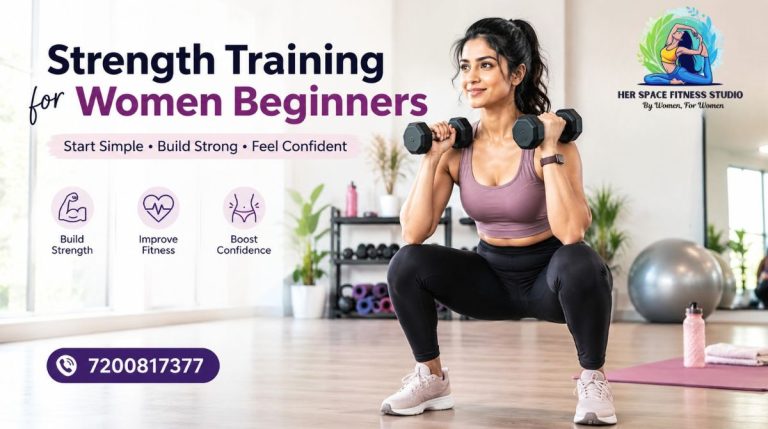

Starting a fitness journey is exciting, but staying consistent is where most women struggle. Many begin with motivation, random workouts, and strict diets, only to lose momentum after a few weeks. The real difference between temporary results and long-term transformation is structure.
A structured fitness plan provides direction, balance, and consistency. It helps women build healthy habits, avoid burnout, and achieve sustainable results without confusion or frustration.
What Does “Structure” Mean in Fitness?
Structure in fitness means following a planned and organized approach toward health and wellness. Instead of doing random exercises or copying social media trends, a structured journey includes:
- Clear fitness goals
- Planned workouts
- Balanced nutrition
- Recovery and rest days
- Progress tracking
- Consistent routines
This creates a system that keeps women focused and motivated throughout their journey.
Why Random Fitness Routines Often Fail
Many women jump from one workout trend to another without understanding what their body truly needs. One week it may be intense cardio, the next week heavy dieting, and later completely stopping due to exhaustion.
Without structure:
- Motivation quickly fades
- Progress becomes inconsistent
- Injuries become more common
- Results are difficult to maintain
- Fitness starts feeling stressful instead of empowering
A structured approach removes confusion and creates stability.
Structure Builds Consistency
Consistency is one of the biggest factors in achieving fitness goals. Structured plans make it easier to stay committed because they create routines.
For example:
- Monday: Strength training
- Tuesday: Cardio and mobility
- Wednesday: Recovery or yoga
- Thursday: Lower body workout
- Friday: Core and flexibility
Having a schedule reduces decision fatigue and helps fitness become a natural part of daily life.
Helps Women Set Realistic Goals
Every woman has different goals. Some want weight loss, while others focus on strength, flexibility, confidence, or overall wellness.
Structured fitness programs help break large goals into smaller, achievable milestones. Instead of expecting instant transformation, women learn to appreciate gradual progress.
Realistic goals:
- Improve confidence
- Reduce stress and disappointment
- Keep motivation high
- Encourage long-term commitment
Proper Structure Prevents Burnout
Overtraining is common when workouts are unplanned. Many women believe doing more exercise every day will produce faster results, but this often leads to exhaustion and frustration.
A structured routine includes:
- Rest days
- Recovery sessions
- Proper nutrition
- Balanced workout intensity
Recovery is just as important as exercise because the body needs time to heal and grow stronger.
Nutrition Becomes Easier to Manage
Fitness is not only about workouts. Nutrition plays a major role in energy, recovery, and body transformation.
Structured fitness journeys usually include healthy eating habits such as:
- Regular meal timings
- Balanced protein intake
- Hydration goals
- Portion awareness
- Sustainable eating patterns
Instead of crash dieting, women learn how to fuel their bodies properly.
Tracking Progress Creates Motivation
When women follow a structured plan, progress becomes easier to measure. Small improvements can be noticed over time, including:
- Increased strength
- Better stamina
- Improved flexibility
- Weight management
- Better sleep and energy levels
Tracking progress helps women stay motivated even when physical changes are slow.
Structure Supports Mental Wellness
Fitness is deeply connected to mental health. A structured routine can reduce stress, improve mood, and create a sense of control in daily life.
Regular exercise combined with proper rest and nutrition can:
- Reduce anxiety
- Improve confidence
- Boost self-esteem
- Increase productivity
- Support emotional well-being
For many women, structure creates not just physical transformation but mental empowerment as well.
Flexibility Within Structure Is Important
Structure does not mean perfection. Women should allow flexibility in their routines without feeling guilty.
Missing one workout or enjoying a favorite meal occasionally does not ruin progress. The goal is balance, not extreme restriction.
Healthy structure means:
- Staying consistent most of the time
- Adjusting routines when needed
- Listening to the body
- Focusing on sustainability
Final Thoughts
Women’s fitness journeys are most successful when they are built on structure rather than temporary motivation. A structured approach provides clarity, consistency, balance, and confidence.
Fitness should not feel overwhelming or punishing. With the right structure, women can create healthier lifestyles that support both physical and mental well-being for years to come.
The journey becomes easier when there is a clear plan, realistic goals, and a routine designed for long-term success.
About the Author