Introduction
How to Eat Better Without a Strict Diet Many people believe healthy eating means following strict diets, avoiding favorite foods, or counting every calorie. In reality, eating healthy is about making smarter food choices that you can maintain for life. You don’t need a restrictive meal plan to improve your health. Small, consistent changes can help you build better eating habits, improve your energy levels, and support long-term wellness.
Whether your goal is weight management, improved fitness, or simply feeling healthier, learning how to eat better without a strict diet is the key to creating a sustainable and enjoyable lifestyle.
Why Strict Diets Often Fail
Strict diets may provide quick results, but they are usually difficult to maintain over the long term. Many people feel restricted, lose motivation, and eventually return to their old eating habits.
Common Reasons Why Diets Don’t Last
Unrealistic Food Restrictions
Completely avoiding favorite foods often leads to cravings and binge eating.
Difficult to Maintain
Complicated meal plans and strict rules can be hard to follow with a busy lifestyle.
Temporary Results
Many people regain lost weight once they stop following restrictive diets.
Build Healthy Eating Habits Instead
Instead of focusing on dieting, aim to build healthy habits that become part of your everyday routine.
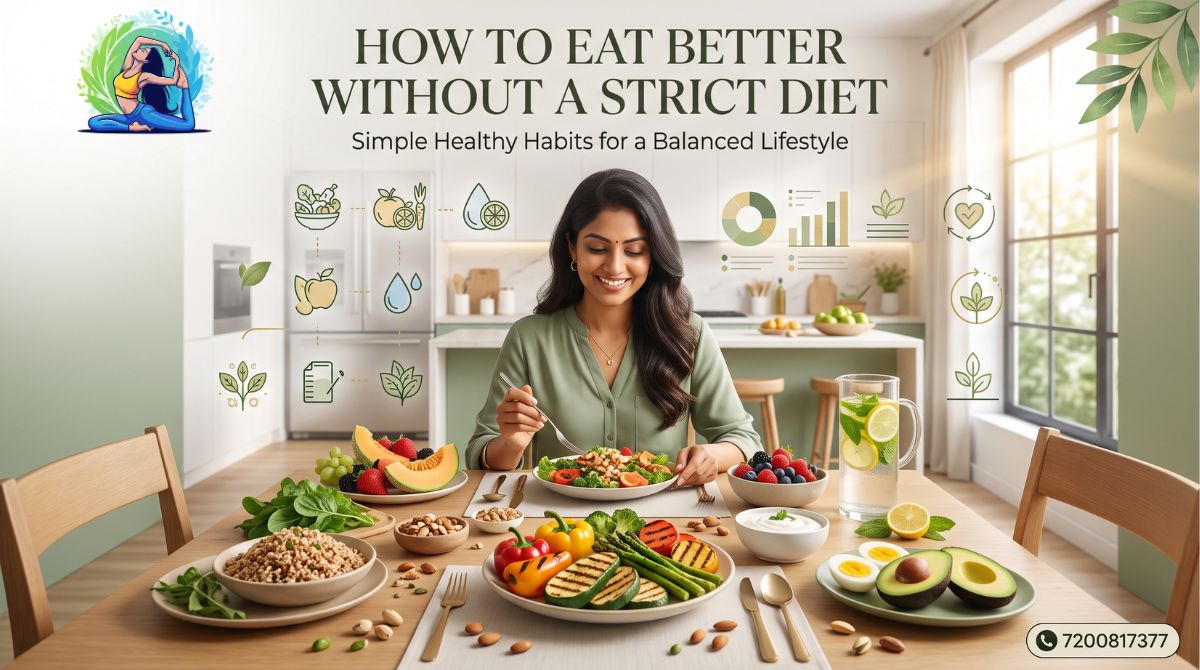
Eat Balanced Meals
A balanced meal should include:
Lean Protein
- Eggs
- Chicken
- Fish
- Tofu
- Lentils
Healthy Carbohydrates
- Brown rice
- Oats
- Whole wheat bread
- Millets
Healthy Fats
- Nuts
- Seeds
- Avocados
- Olive oil
Fresh Fruits and Vegetables
Fill half your plate with colorful vegetables and fruits to increase vitamins, minerals, and fiber.
Choose Whole Foods More Often
Whole foods are naturally rich in nutrients and contain fewer added ingredients than processed foods.
Healthy Whole Food Options
Fruits
Apples, bananas, oranges, berries, papaya, and watermelon.
Vegetables
Spinach, carrots, broccoli, cucumber, tomatoes, and beans.
Whole Grains
Brown rice, quinoa, oats, millets, and whole wheat.
Benefits of Eating Regular Meals
Better Energy
Regular meals provide steady energy throughout the day.
Improved Metabolism
Eating consistently helps your body function efficiently.
Reduced Cravings
Balanced meals reduce unhealthy snacking.
Drink Plenty of Water
Staying hydrated is one of the easiest ways to eat better without following a strict diet. Water supports digestion, boosts metabolism, helps regulate body temperature, and keeps your body functioning properly. If you’re looking for How to Eat Better Without a Strict Diet, drinking enough water every day is a simple habit that can make a big difference.
Easy Ways to Stay Hydrated
Carry a Water Bottle
Keep a reusable water bottle with you throughout the day. Having water within reach makes it easier to stay hydrated at work, school, or while traveling.
Drink Before Meals
Drinking a glass of water 20–30 minutes before meals may help you feel fuller, support healthy digestion, and reduce the chances of overeating.
Replace Sugary Drinks
Instead of sugary sodas or energy drinks, choose water, lemon water, coconut water, or other unsweetened beverages. This simple change can reduce unnecessary sugar intake and support better health.
Eat Water-Rich Foods
Include fruits and vegetables such as watermelon, cucumber, oranges, tomatoes, and lettuce in your daily meals. These foods help increase your water intake while providing essential vitamins and minerals.
Make Hydration a Daily Habit
Set reminders or track your daily water intake to build a consistent hydration routine. Small habits like these are an important part of How to Eat Better Without a Strict Diet and can help you maintain a healthier lifestyle over time.
Practice Mindful Eating
Mindful eating helps you enjoy your meals while preventing overeating.
Tips for Mindful Eating
Eat Slowly
Take time to chew your food properly.
Avoid Distractions
Avoid watching television or scrolling on your phone while eating.
Listen to Your Body
Stop eating when you feel comfortably full.
Add Protein to Every Meal
Protein keeps you full for longer and supports muscle health.
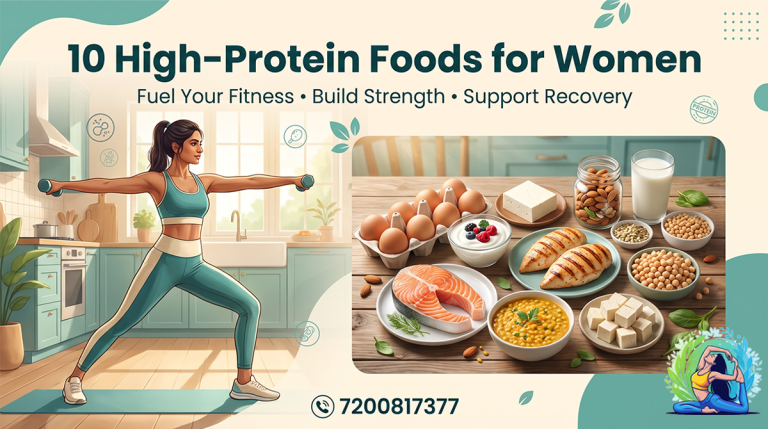
Healthy Protein Sources
Animal Protein
- Eggs
- Fish
- Chicken
Plant-Based Protein
- Lentils
- Chickpeas
- Beans
- Tofu
- Paneer
Eat More Fiber
Fiber supports healthy digestion and helps you stay full longer.
High-Fiber Foods
Fruits
Apples, pears, berries, oranges.
Vegetables
Leafy greens, carrots, broccoli.
Whole Grains
Oats, brown rice, whole wheat, millets.
Enjoy Your Favorite Foods Without Guilt
Healthy eating does not mean giving up your favorite foods forever.
Follow the 80/20 Rule
80% Nutritious Foods
Focus on healthy meals most of the time.
20% Favorite Treats
Enjoy desserts or snacks occasionally in moderation.
Plan Your Meals in Advance
Meal planning helps you make healthier choices.
Benefits of Meal Planning
Saves Time
Less stress during busy weekdays.
Reduces Fast Food Consumption
Healthy meals are already prepared.
Helps Control Portions
You are less likely to overeat.
Healthy Snack Ideas
Smart Snack Choices
Protein-Rich Snacks
- Greek yogurt
- Boiled eggs
- Roasted chickpeas
Fresh Snacks
- Seasonal fruits
- Vegetable sticks
- Mixed nuts
Common Mistakes to Avoid
Skipping Breakfast
Missing breakfast can affect your energy levels.
Eating Too Fast
Fast eating often leads to overeating.
Drinking Too Many Sugary Beverages
Choose water more often than soft drinks.
Following Fad Diets
Focus on long-term healthy habits instead.
Simple Healthy Eating Tips for Busy Women
Prepare Meals Ahead
Cook healthy meals in advance.
Keep Healthy Snacks Nearby
Carry fruits or nuts while traveling or working.
Stay Hydrated
Drink enough water throughout the day.
Make Small Improvements
Small daily changes create long-term success.
Benefits of Eating Better Without a Strict Diet
Physical Benefits
Improved Energy Levels
Healthy food provides lasting energy.
Better Digestion
Fiber-rich foods improve digestive health.
Healthy Weight Management
Balanced eating supports sustainable weight control.
Mental Benefits
Better Mood
Nutritious foods support brain health.
Reduced Stress
Healthy eating contributes to overall well-being.
Improved Confidence
Feeling healthier boosts self-confidence.
Final Thoughts
Learning how to eat better without a strict diet is not about following impossible rules—it’s about making healthier choices every day. By eating balanced meals, choosing whole foods, staying hydrated, practicing mindful eating, and making small improvements over time, you can enjoy better health without feeling restricted.
Remember, lasting results come from consistency, not perfection. Every healthy choice you make brings you one step closer to a happier, healthier lifestyle.
About the Author