Introduction
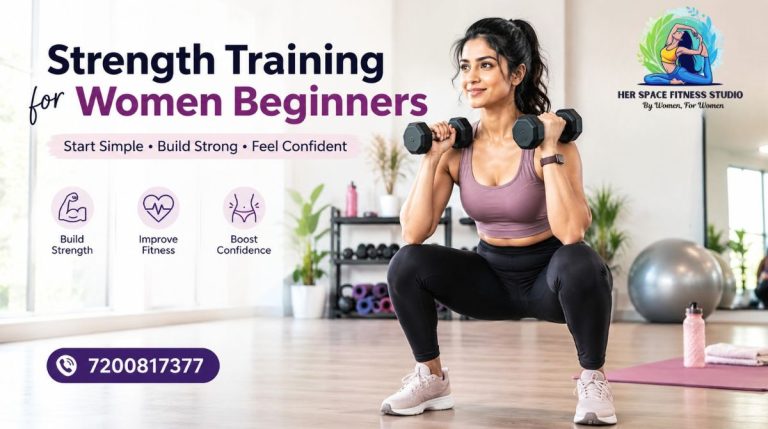
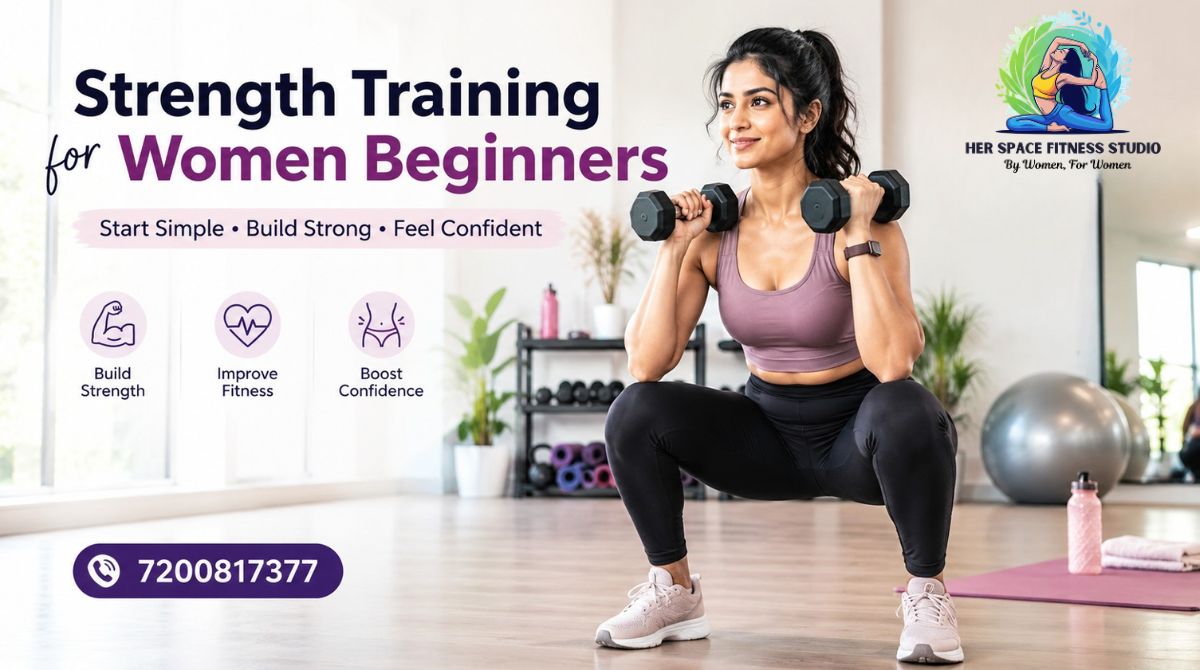
Strength training is an important part of a balanced fitness routine for women. Whether you are completely new to exercise or looking to improve your current workout routine, strength exercises can help you build stronger muscles, improve endurance, support daily activities, and increase overall fitness.
You do not need to start with heavy weights or complicated gym equipment. Beginners can begin with simple bodyweight movements and gradually progress as their strength and confidence improve.
This guide covers some of the best strength training exercises for women beginners, along with practical tips for creating a safe and effective workout routine.
What Is Strength Training?
Strength training is a type of exercise that challenges your muscles to work against resistance. The resistance can come from your own body weight, resistance bands, dumbbells, or other workout equipment.
For beginners, bodyweight exercises are often a convenient starting point because they help you learn movement patterns and develop basic strength before adding more resistance.
Why Strength Training Is Important for Women
Regular strength training can provide several fitness benefits.
1. Helps Build Muscle Strength
Strength exercises challenge your muscles and can gradually improve muscular strength. This can make everyday activities such as climbing stairs, carrying groceries, and lifting household items easier.
2. Supports Better Body Composition
Combining strength training with regular physical activity and balanced nutrition can support healthy body composition and help you maintain muscle while working toward fitness goals.
3. Improves Functional Fitness
Many strength exercises involve movements similar to activities you perform in daily life. Training these movements can improve balance, coordination, stability, and physical confidence.
4. Supports Bone Health
Weight-bearing and resistance exercises can contribute to maintaining strong bones as part of an overall healthy lifestyle.
5. Improves Exercise Confidence
Starting with manageable exercises and gradually progressing can help beginners feel more comfortable with physical activity.
Best Strength Training Exercises for Women Beginners
The following exercises are simple options for women who are starting strength training. Focus on proper technique and controlled movements rather than trying to lift heavy weights immediately.
1. Bodyweight Squats
Bodyweight squats are one of the best beginner exercises for strengthening the lower body.
How to do it:
- Stand with your feet approximately shoulder-width apart.
- Keep your chest lifted and core gently engaged.
- Bend your knees and push your hips back as if sitting into a chair.
- Lower yourself comfortably.
- Push through your feet to return to the starting position.
Beginner option: Start with 8–12 repetitions.
2. Glute Bridges
Glute bridges target the glutes and also involve the muscles around the hips and core.
How to do it:
- Lie on your back with your knees bent.
- Keep your feet flat on the floor.
- Place your arms comfortably beside your body.
- Lift your hips slowly.
- Squeeze your glutes gently at the top.
- Lower your hips with control.
Try 10–15 repetitions.
3. Wall Push-Ups
Wall push-ups are a beginner-friendly alternative to floor push-ups and help develop upper-body strength.
How to do it:
- Stand facing a wall.
- Place your hands on the wall around chest height.
- Step slightly backward.
- Bend your elbows and bring your chest toward the wall.
- Push yourself back to the starting position.
Start with 8–12 repetitions.
4. Step-Back Lunges
Step-back lunges help strengthen the legs and can also challenge balance and coordination.
How to do it:
- Stand tall with your feet hip-width apart.
- Step one foot backward.
- Bend both knees comfortably.
- Push through your front foot to return to standing.
- Repeat on the other side.
Beginners can start with 6–10 repetitions per leg.
5. Bird Dog
Bird dog is a useful exercise for improving core stability, balance, and coordination.
How to do it:
- Begin on your hands and knees.
- Keep your back in a comfortable neutral position.
- Extend one arm and the opposite leg.
- Hold briefly while maintaining control.
- Return to the starting position.
- Switch sides.
Perform 6–10 repetitions per side.
6. Chair Sit-to-Stand
Chair sit-to-stands are especially useful for beginners who want to develop lower-body strength with a controlled movement.
How to do it:
- Sit near the edge of a stable chair.
- Keep your feet firmly on the floor.
- Lean forward slightly.
- Stand up using your legs.
- Slowly sit back down.
Try 8–12 repetitions.
7. Standing Calf Raises
Calf raises are simple and can help strengthen the lower legs.
How to do it:
- Stand tall with your feet hip-width apart.
- Hold a stable surface if needed.
- Slowly raise your heels.
- Pause briefly at the top.
- Lower your heels with control.
Try 12–15 repetitions.
8. Dead Bug
Dead bug is a beginner-friendly core exercise that focuses on controlled movement and stability.
How to do it:
- Lie on your back.
- Bend your knees and lift your legs.
- Keep your core gently engaged.
- Slowly extend one leg and the opposite arm.
- Return to the starting position.
- Switch sides.
Perform 6–10 repetitions per side.
Beginner Strength Training Workout Routine
If you are new to exercise, you can start with a simple full-body routine.
Beginner Workout
| Exercise | Repetitions |
|---|---|
| Bodyweight Squats | 10–12 |
| Wall Push-Ups | 8–12 |
| Glute Bridges | 10–15 |
| Step-Back Lunges | 6–10 each leg |
| Bird Dog | 6–10 each side |
| Calf Raises | 12–15 |
Complete 1–2 rounds initially. Take short rest periods between exercises and focus on maintaining good form.
As your fitness improves, you can gradually increase the number of rounds or repetitions.
How Many Days Should Beginners Do Strength Training?
Beginners can start with 2–3 strength training sessions per week, depending on their fitness level and overall activity.
Allow your body enough recovery time between challenging sessions. You can stay active on other days with activities such as walking, stretching, mobility exercises, or light cardio.
Consistency is more important than trying to exercise every day.
How to Progress With Strength Training
Once your current workout becomes easier, gradually increase the challenge.
You can progress by:
- Adding a few repetitions
- Adding another workout round
- Slowing down the movement
- Improving your exercise range of motion
- Using resistance bands
- Adding light dumbbells
- Choosing a slightly more challenging exercise variation
Avoid increasing everything at once. Gradual progression allows you to build strength while maintaining proper technique.
Common Strength Training Mistakes Beginners Should Avoid
Using Poor Form
Correct technique is more important than the number of repetitions. Perform each movement slowly and with control.
Starting Too Heavy
Beginners do not need to lift heavy weights immediately. Start with a resistance level that allows you to maintain proper form.
Skipping the Warm-Up
A short warm-up can prepare your body for exercise. Try light walking, marching, arm movements, and gentle mobility exercises before your workout.
Doing Too Much Too Soon
Increasing workout intensity too quickly can make recovery more difficult. Give your body time to adapt.
Ignoring Recovery
Rest and recovery are important parts of a successful fitness routine. Sleep, hydration, balanced nutrition, and rest days all support your progress.
Strength Training and Fat Loss
Strength training can be a useful part of a fat-loss-focused fitness routine. Building and maintaining muscle is important while you work toward healthy body composition.
For better overall results, combine strength training with regular movement, cardio when appropriate, nutritious meals, adequate protein, hydration, and sufficient recovery.
Remember that fat loss cannot be targeted to one specific area of the body through individual exercises.
Nutrition Tips for Women Starting Strength Training
Exercise and nutrition work together. Women beginning strength training should focus on a balanced eating pattern that includes:
- Protein-rich foods
- Vegetables and fruits
- Whole grains and other high-fiber carbohydrates
- Healthy fats
- Adequate fluids
Good protein sources can include eggs, curd, paneer, lentils, beans, soy foods, fish, and lean meats, depending on individual dietary preferences.
There is no need to follow an extreme diet to support strength and fitness.
Safety Tips for Beginner Strength Training
Keep these points in mind when starting:
- Begin with exercises that match your fitness level.
- Learn proper technique before increasing resistance.
- Keep movements controlled.
- Warm up before training.
- Take rest when your body needs it.
- Stop exercising if you experience sharp or unusual pain.
- Stay hydrated.
- Progress gradually.
If you are pregnant, recently postpartum, recovering from an injury, or have a medical condition, speak with an appropriate healthcare professional or qualified fitness professional before starting a new exercise program.
Final Thoughts
The best strength training exercises for women beginners are not necessarily the most complicated ones. Simple movements such as squats, glute bridges, wall push-ups, lunges, bird dogs, and chair sit-to-stands can provide a strong foundation for your fitness journey.
Start at your own level, focus on proper form, and gradually increase the challenge as you become stronger. With consistency, patience, and adequate recovery, strength training can become an important part of a healthy and active lifestyle.
About the Author