In a fitness culture that often glorifies “no days off” and constant hustle, rest days can feel uncomfortable—especially for women who already juggle work, family, and personal responsibilities. Many women worry that resting means losing progress, being lazy or falling behind.
The truth is the opposite.
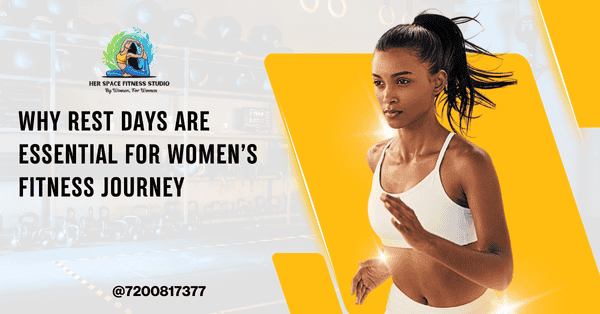
Rest days are not a break from progress—they are a critical part of progress. For women in particular, proper recovery plays a powerful role in strength gains, fat loss, hormonal balance, mental health, Rest days importance for women and long-term consistency.
Let’s explore why rest days are essential for women’s fitness journeys and how embracing them can actually help you reach your goals faster and healthier.
What Is a Rest Day (Really)?
A rest day doesn’t always mean lying on the couch all day (though sometimes that’s exactly what your body needs).
Rest days can be:
- Complete rest: No structured exercise
- Active recovery: Gentle movement like walking, stretching, yoga, or mobility work
The purpose of a rest day is to allow your body and nervous system to recover from physical and mental stress.
How Exercise Actually Makes You Stronger
Here’s something many people don’t realize:
👉 Muscle is not built during workouts—it’s built during rest.
When you exercise, especially strength training or intense cardio, you create tiny stress and micro-tears in your muscles. During rest, your body repairs those tissues, making them stronger and more resilient.
Without enough rest:
- Muscles don’t fully repair
- Performance drops
- Injury risk increases
Training hard without recovery is like trying to grow plants without watering them.
Why Rest Days Matter More for Women
Women’s bodies respond differently to exercise stress compared to men, largely due to hormones like estrogen, progesterone, and cortisol.
1. Hormonal Balance and Recovery
Excessive training without rest can:
- Spike cortisol (stress hormone)
- Disrupt menstrual cycles
- Affect sleep and mood
- Stall fat loss
Rest days help regulate cortisol and support healthier hormonal balance, which is essential for sustainable fitness results.
2. Preventing Burnout and Overtraining
Many women push themselves hard—sometimes too hard—because they feel guilty taking breaks.
Signs of overtraining include:
- Constant fatigue
- Irritability or low motivation
- Poor sleep
- Decreased performance
- Frequent soreness or aches
- Overtraining prevention women fitness
Rest days protect your mental and emotional energy, helping you stay consistent instead of quitting altogether.
3. Supporting Fat Loss (Yes, Really)
It’s a common belief that more workouts = faster fat loss. But without recovery, the body may hold onto fat due to stress.
Rest days help:
- Lower cortisol levels
- Improve insulin sensitivity
- Support metabolism
- Prevent water retention that hides progress
Sometimes, taking a rest day is exactly what your body needs to release stubborn weight.
4. Injury Prevention and Joint Health
Women are more prone to certain injuries, especially involving:
- Knees
- Hips
- Lower back
- Ankles
Without adequate rest:
- Muscles stay tight and fatigued
- Joints absorb more stress
- Small aches turn into long-term injuries
Rest days allow connective tissues like tendons and ligaments to recover, not just muscles.
5. Better Performance in Your Workouts
Ever notice that after a day or two of rest, you feel:
- Stronger
- More energetic
- More focused
That’s not coincidence.
Rest days help restore:
- Muscle glycogen (energy)
- Nervous system function
- Mental sharpness
The result? Higher-quality workouts instead of just more workouts.
Rest Days Are Not “Doing Nothing”
Rest is not weakness.
Rest is strategy.
On rest days, your body is still working hard:
- Repairing muscles
- Balancing hormones
- Reducing inflammation
- Strengthening bones
- Improving immune function
Progress doesn’t only happen when you sweat—it happens when you recover.
How Often Should Women Take Rest Days?
There’s no one-size-fits-all answer, but general guidelines include:
- 2–4 workout days per week: 1–2 rest days
- 5–6 workout days per week: At least 1–2 rest days
- High stress, poor sleep, or hormonal symptoms: More recovery may be needed
Listening to your body is more important than following rigid schedules.
Signs You Need a Rest Day
Your body often asks for rest before it demands it. Pay attention to signals like:
- Heavy or sluggish feeling
- Lack of motivation
- Trouble sleeping
- Elevated resting heart rate
- Persistent soreness
Taking rest early prevents bigger setbacks later.
Reframing Rest: A Healthy Mindset Shift
Instead of thinking:
“I didn’t work out today.”
Try thinking:
“I supported my body today.”
Fitness isn’t about punishment—it’s about care, strength, and longevity.
Women who respect rest days tend to:
- Stay consistent longer
- Avoid injuries
- Maintain healthier relationships with exercise
- Achieve sustainable results
Final Thoughts
Rest days are not optional extras in a woman’s fitness journey—they are essential.
By honoring recovery, you’re not slowing down your progress. You’re building a stronger, healthier, and more resilient body that can support you for years to come.
About the Author