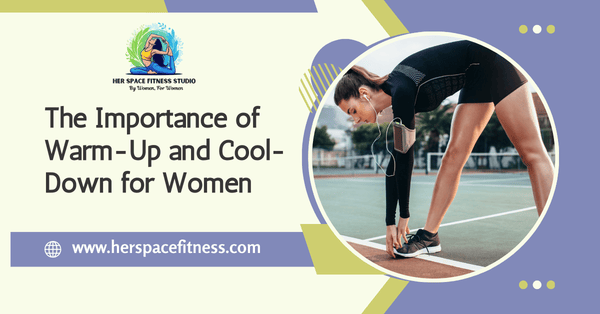
In the journey toward better fitness, many women focus on workouts, nutrition, and consistency—but often overlook two crucial parts of exercise: warm-up and cool-down. These are not optional extras; they are essential components that protect your body, enhance performance, and support long-term health.
Women’s bodies are influenced by hormones, joint structure, muscle flexibility, and stress levels, making warm-up and cool-down even more important. Understanding their role can help you exercise safely, effectively, and sustainably.
Why Warm-Up Is Essential for Women
A warm-up prepares your body and mind for physical activity. It gradually increases your heart rate, improves blood flow to muscles, and reduces injury risk.
1. Reduces Risk of Injury
Women are more prone to joint-related injuries, especially in the knees, hips, and lower back. A proper warm-up:
- Loosens joints and connective tissues
- Improves muscle elasticity
- Reduces sudden strain on ligaments and tendons
- Injury prevention workouts women
This is especially important for women during hormonal changes such as menstruation, pregnancy, or menopause.
2. Improves Workout Performance
When muscles are warm, they contract more efficiently. This leads to:
- Better strength output
- Improved flexibility and range of motion
- Enhanced coordination and balance
Whether it’s strength training, yoga, or cardio, a warm-up helps you move better and perform stronger.
3. Supports Hormonal Balance
Sudden intense exercise can spike cortisol (stress hormone). A gradual warm-up:
- Helps regulate stress response
- Prepares the nervous system
- Makes workouts feel smoother and less exhausting
This is especially beneficial for women dealing with fatigue, PCOS, or high stress levels.
4. Mental Readiness
Warm-up time allows you to:
- Shift focus from daily stress to your workout
- Improve motivation and confidence
- Build a stronger mind–body connection
This mental preparation can significantly improve workout consistency.
What Is a Good Warm-Up?
A warm-up should last 5–10 minutes and include:
- Light cardio (marching, brisk walking, cycling)
- Dynamic stretches (arm circles, leg swings)
- Joint mobility exercises (ankle, hip, shoulder rolls)
- Warm up and cool down benefits
The goal is to gently wake up your body—not exhaust it.
Why Cool-Down Is Just as Important
Many women skip cool-down due to time constraints, but this phase is vital for recovery and long-term progress.
1. Prevents Dizziness and Blood Pooling
After exercise, your heart rate is elevated. Stopping suddenly can cause:
- Light-headedness
- Nausea
- Sudden drop in blood pressure
Cooling down gradually brings your body back to a resting state safely.
2. Reduces Muscle Soreness
Post-workout muscle tightness is common in women. Cool-down helps by:
- Removing metabolic waste like lactic acid
- Reducing stiffness and soreness
- Improving circulation to muscles
This leads to quicker recovery and less pain the next day.
3. Enhances Flexibility
Muscles are warm and pliable after exercise, making this the best time for:
- Static stretching
- Improving long-term flexibility
- Reducing muscle tightness
This is particularly helpful for women who sit for long hours or experience lower-back and hip tightness.
4. Supports Relaxation and Stress Relief
Cool-down activates the parasympathetic nervous system, helping:
- Lower cortisol levels
- Calm the mind
- Improve sleep quality
- Safe workout practices women
For women balancing work, family, and personal life, this relaxation phase is extremely beneficial.
What Should a Cool-Down Include?
A proper cool-down lasts 5–10 minutes and includes:
- Slow walking or gentle movement
- Deep breathing exercises
- Static stretches (hamstrings, calves, shoulders, back)
Yoga-inspired stretches are especially effective for women.
Common Mistakes Women Make
- Skipping warm-up to save time
- Jumping straight into intense workouts
- Ending workouts abruptly without stretching
- Treating warm-up and cool-down as optional
These habits increase injury risk and slow progress over time.
Warm-Up and Cool-Down Across Different Life Stages
- Young women: Helps prevent sports injuries and improves performance
- Working women: Reduces stiffness and stress-related tension
- Pregnant women: Gentle warm-ups and cool-downs improve circulation (with medical approval)
- Menopausal women: Supports joint health, mobility, and hormonal balance
Final Thoughts
Warm-up and cool-down are not just routines—they are acts of self-care. For women, they protect joints, support hormones, improve recovery, and make fitness more enjoyable and sustainable.
No matter your age or fitness level, giving your body these few extra minutes before and after exercise can make a powerful difference in your health journey.
Train smart, respect your body, and let warm-up and cool-down be your foundation for lifelong fitness.
About the Author