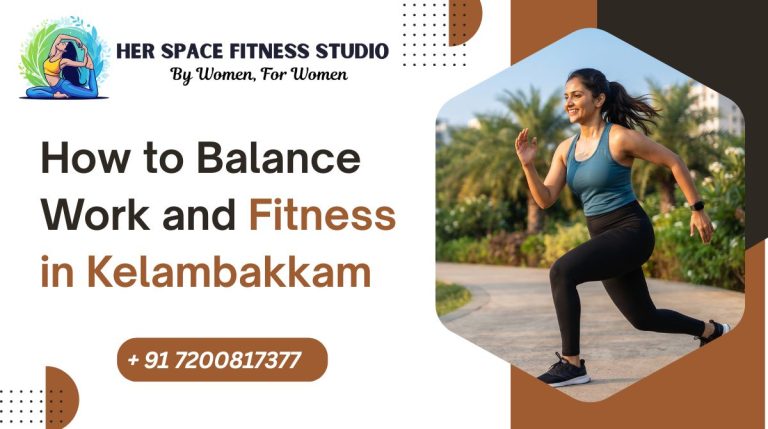

Starting a fitness routine is easy. Sticking to it long term is where most people struggle. Life gets busy, motivation fluctuates, and unrealistic plans quickly lead to burnout. The key to lasting fitness isn’t perfection or extreme discipline—it’s building a routine that fits your life, energy levels, and goals.
Here’s a practical, sustainable approach to creating a fitness routine you can actually follow for years, not weeks.
1. Start With Your Why
Before choosing workouts or schedules, get clear on why you want to be active.
Ask yourself:
- Do I want more energy?
- Do I want to feel stronger and more confident?
- Am I looking to reduce stress or improve my health?
Your “why” should go beyond weight loss. When motivation drops, a deeper reason—like feeling capable, reducing pain, or improving mental health—keeps you consistent.
2. Set Realistic, Flexible Goals
Long-term fitness thrives on realistic expectations. Instead of saying, “I’ll work out every day,” try:
- 3–4 workouts per week
- 20–45 minutes per session
- Progress, not perfection
Focus on process goals (showing up, moving regularly) rather than only outcome goals (weight, measurements). Consistency always beats intensity.
3. Choose Activities You Actually Enjoy
The best workout is the one you’ll repeat.
You don’t need to force yourself into workouts you hate. Fitness can include:
- Strength training
- Walking or jogging
- Yoga or Pilates
- Dance workouts
- Cycling or swimming
Mix and match until you find what feels enjoyable and sustainable. Enjoyment increases adherence more than any workout plan.
4. Build a Simple Weekly Structure
Overly complicated plans fail fast. Keep your routine simple and repeatable.
Example weekly structure:
- 2 days strength training
- 1–2 days cardio or walking
- 1 mobility or recovery-focused session
- Long term fitness routine women
Leave room for flexibility. Missed a workout? Adjust instead of quitting. Long-term routines allow life to happen.
5. Progress Slowly and Intentionally
Trying to do too much too soon leads to injury and burnout.
Instead:
- Increase weights gradually
- Add time or intensity slowly
- Prioritize good form and recovery
Progress doesn’t have to be linear. Plateaus are normal and not a sign of failure.
6. Respect Recovery and Energy Levels
Rest is not laziness—it’s essential.
Pay attention to:
- Sleep quality
- Stress levels
- Menstrual cycle phases
- Signs of fatigue or soreness
- Realistic exercise routine women
Some days call for intense training. Other days, gentle movement or rest is the smarter choice. Sustainable fitness adapts to your body, not against it.
7. Create Habit-Based Triggers
Motivation fades, habits remain. Make fitness automatic by tying it to existing routines.
Examples:
- Workout right after waking up
- Walk after dinner
- Stretch before bedtime
Remove friction by laying out workout clothes, scheduling sessions, or choosing home-friendly workouts.
8. Focus on How Fitness Improves Your Life
Instead of asking, “Did I burn enough calories?” ask:
- Do I feel stronger?
- Is my mood better?
- Am I sleeping well?
- Do I have more energy?
When fitness becomes about quality of life, it stops feeling like punishment and starts feeling like self-care.
9. Accept That Consistency Won’t Be Perfect
Long-term success doesn’t mean never missing workouts. It means always coming back.
There will be:
- Busy weeks
- Low-energy days
- Breaks due to illness or travel
- Beginner fitness plan women
What matters is returning without guilt. One missed week doesn’t erase months of effort.
10. Reassess and Evolve Regularly
Your routine should grow with you.
Every few months, reassess:
- Are my goals still the same?
- Do I enjoy my workouts?
- Is this routine realistic right now?
Adjusting your plan is a sign of self-awareness, not inconsistency.
Final Thoughts
A fitness routine you can follow long term is built on balance, flexibility, and self-respect—not extremes. When your plan supports your lifestyle instead of fighting it, consistency becomes natural.
Fitness isn’t about doing more. It’s about doing what you can, consistently, for the long run.
About the Author