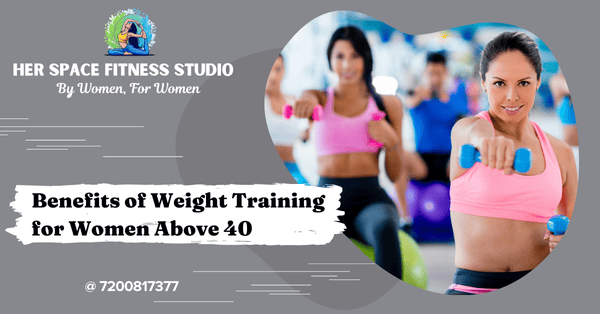
As women cross the age of 40, their bodies go through natural hormonal, metabolic, and muscular changes. Muscle mass begins to decline, bone density reduces, metabolism slows, and recovery takes longer than before. While many women turn to cardio to stay fit, Weight and Strength training is one of the most powerful tools for maintaining health, strength, and confidence after 40.
Contrary to the myth that lifting weights makes women bulky, weight training helps create a lean, toned, strong, and resilient body, especially during midlife and beyond.
1. Prevents Age-Related Muscle Loss (Sarcopenia)
After the age of 30, women lose about 3–8% of muscle mass per decade, and the rate increases after 40. This muscle loss, known as sarcopenia, leads to weakness, fatigue, and reduced mobility.
Weight training:
- Preserves and builds lean muscle
- Improves strength for daily activities
- Keeps the body functional and independent
Strong muscles mean better balance, posture, and reduced risk of falls.
2. Boosts Metabolism and Supports Weight Management
Metabolism naturally slows with age, making weight gain easier—especially around the abdomen.
Strength training:
- Increases resting metabolic rate
- Helps burn more calories even at rest
- Improves fat loss without muscle loss
Unlike cardio alone, lifting weights reshapes the body by reducing fat while improving muscle tone.
3. Improves Bone Density and Reduces Osteoporosis Risk
Women above 40 are at higher risk of osteoporosis due to declining estrogen levels, particularly during perimenopause and menopause.
Weight training:
- Stimulates bone growth
- Increases bone mineral density
- Strengthens joints and connective tissues
Exercises like squats, lunges, deadlifts, and presses help keep bones strong and fracture-resistant.
4. Balances Hormones and Eases Menopause Symptoms
Hormonal fluctuations can cause mood swings, weight gain, sleep problems, and low energy.
Regular strength training:
- Improves insulin sensitivity
- Reduces cortisol (stress hormone)
- Boosts endorphins for better mood
- Helps regulate estrogen levels naturally
Many women experience reduced hot flashes, improved sleep, and better emotional balance with consistent training.
5. Enhances Heart Health
Weight training is not just for muscles—it also benefits the heart.
It helps:
- Lower blood pressure
- Improve cholesterol levels
- Reduce risk of heart disease
- Improve blood sugar control
Combined with light cardio, strength training supports long-term cardiovascular health.
6. Improves Joint Health and Reduces Pain
Aging joints can become stiff and painful, especially in knees, hips, shoulders, and the lower back.
Strength training:
- Strengthens muscles around joints
- Improves joint stability and mobility
- Reduces arthritis and chronic pain
- Resistance training for women above 40
Properly performed resistance exercises often relieve pain rather than cause it.
7. Enhances Mental Health and Brain Function
Women above 40 often face stress from work, family responsibilities, and hormonal changes.
Weight training:
- Reduces anxiety and depression
- Improves focus and memory
- Boosts self-confidence and self-image
Studies show resistance training may even lower the risk of cognitive decline and dementia.
8. Improves Posture, Balance, and Mobility
Poor posture and balance issues increase with age, raising fall risk.
Strength training:
- Strengthens core muscles
- Improves spinal alignment
- Enhances coordination and balance
This leads to better movement quality and injury prevention.
9. Promotes Longevity and Independence
One of the greatest benefits of weight training after 40 is long-term independence.
It helps women:
- Perform daily tasks with ease
- Maintain strength into their 60s, 70s, and beyond
- Stay active without relying on assistance
Strong women age better—physically and mentally.
10. Builds Confidence and Body Positivity
Weight training shifts focus from appearance to strength.
Women often report:
- Higher self-esteem
- Greater body confidence
- A sense of empowerment and control
Feeling strong is just as important as looking fit.
How Often Should Women Above 40 Do Weight Training?
Recommended routine:
- 2–4 strength training sessions per week
- Full-body or upper/lower split workouts
- Moderate weights with proper form
- Adequate rest and recovery
- Women over 40 weight training benefits
Always warm up, stretch, and listen to your body.
Safety Tips for Beginners
- Start with light weights
- Focus on proper technique
- Increase load gradually
- Include rest days
- Consult a fitness professional if needed
Consistency matters more than intensity.
Conclusion
Weight training is not optional—it’s essential for women above 40. It supports muscle strength, bone health, metabolism, mental well-being, and long-term independence. More than just exercise, it’s an investment in a healthier, stronger, and more confident future.
No matter your age or fitness level, it’s never too late to start lifting—and reaping the lifelong benefits.
About the Author