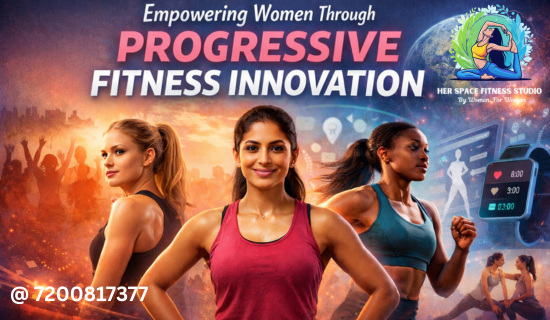
In recent years, women’s fitness has evolved far beyond traditional exercise routines. Progressive fitness innovation — blending science, technology, community, and culture — is empowering women to transform their physical health, mental wellbeing, and social agency. From grassroots community events to cutting-edge app technology and inclusive fitness movements, women are redefining what strength and wellness mean in the modern world.
The Power of Participation: Fitness as Empowerment
Physical activity isn’t just about burning calories — it’s about building confidence and resilience. Research shows that participating in empowering physical activities increases women’s exercise self-efficacy, engagement, and long-term fitness commitment. Women in studies often rank resistance training, running, and structured group activities as especially empowering, highlighting that strength-based exercises contribute most significantly to their sense of capability and accomplishment.
Fitness participation also delivers multidimensional health outcomes — from improved cardiovascular health and muscle strength to enhanced self-esteem, mood, and stress management. Across demographic groups, women report that overcoming physical challenges translates into greater confidence in daily life and increased agency in making health-positive choices.
Breaking Down Barriers: Inclusive Spaces and Community Initiatives
One of the key innovations in empowering women through fitness is the creation of inclusive, women-focused spaces and social programs. Community fitness challenges and events — such as women-centric runs like the Pinkathon that encourage participation regardless of age or fitness level — help normalize physical activity within female communities.
Similarly, fitness challenges and competitions across Indian cities have provided platforms for young women to showcase strength, endurance, and sportsmanship, while building confidence and camaraderie.
Beyond standard gyms, dedicated female-only training studios and group fitness programs offer safe, supportive environments where women can pursue fitness goals without intimidation or judgment. These inclusive spaces foster belonging, emotional support, and mutual encouragement — elements that are as critical to empowerment as physical training itself.
Technology and Customization: The Future of Women’s Fitness
Progressive fitness innovation is increasingly technology-driven, enabling women to customize their workouts, monitor progress, and overcome traditional barriers such as lack of guidance or fear of judgment.
Personalized Fitness Apps:
Apps tailored to women’s unique physiology, life stages, and goals — such as those that adjust for hormonal cycles or combine strength, cardio, and wellness tracking — are transforming how women engage with fitness.
Wearable Tech & Smart Tools:
From advanced fitness trackers to AI-powered coaching and recovery tools, wearable tech helps women make data-driven decisions about exercise intensity, rest, and progress. This personalization empowers women to train smarter and stay motivated.
Digital Communities:
Platforms that combine social networking with fitness — including online forums, virtual workout groups, and subscription-based fitness communities — foster connection and shared accountability. These communities celebrate diverse bodies, individual progress, and collective achievement.
Reframing Strength: Redefining Fitness Culture
Modern fitness innovation is also cultural innovation. Movements like Sport England’s This Girl Can campaign celebrate women of all shapes, sizes, and abilities, inspiring millions to embrace movement without fear of judgment.
Such initiatives challenge outdated norms that once discouraged women from strength training or high-intensity workouts. Today, strength is reframed as a core aspect of wellness — not just a male domain — and women are increasingly encouraged to pursue resistance training, powerbuilding, and performance-focused fitness alongside traditional forms of exercise. This shift not only improves physical outcomes but expands women’s self-perception and societal expectations.
The Broader Impact: Social and Psychological Benefits
Empowering women through fitness doesn’t stop at muscles and cardiovascular health; it extends into mental health, self-image, and social empowerment:
- Mental resilience: Women who engage in regular physical activity report greater psychological strength, reduced anxiety, and stronger stress coping mechanisms.
- Body positivity: Fitness communities that celebrate diverse body types foster healthier self-image and reduce comparison-based insecurities.
- Social agency: Participating in group fitness events and community challenges expands women’s social networks and reinforces a sense of shared purpose and visibility.
Looking Ahead: Sustainability and Expansion
The future of women’s fitness lies in scalable, tech-enabled, and socially inclusive solutions that continue to dismantle barriers — whether cultural, economic, or access-related.
As innovation continues, fitness programs are poised to become more adaptive to women’s life stages (e.g., pregnancy, menopause), more integrated with health insights (e.g., personalized recovery, mental health), and more community-oriented (e.g., inclusive events, localized support networks).
Conclusion
Empowering women through progressive fitness innovation is not a trend — it’s a transformative movement. By combining science, technology, community, and culture, the fitness industry is enabling women to reclaim their strength, confidence, and physical agency. Whether through tailored tech, inclusive spaces, community movements, or a cultural shift in how strength is perceived, fitness innovation is expanding the possibilities for women everywhere — one rep, one walk, one breakthrough at a time.
About the Author