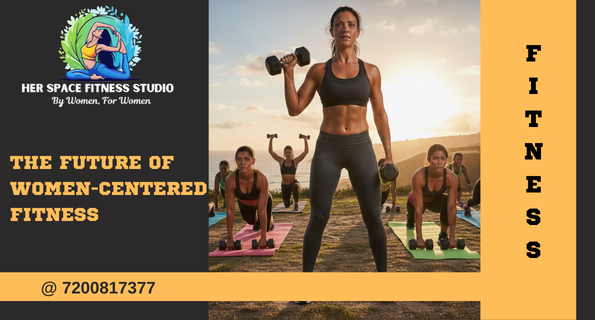
The fitness industry is undergoing a profound transformation — one that places women’s needs, preferences, and holistic wellbeing at the center of its evolution. No longer constrained by traditional cardio-centric models or one-size-fits-all programming, women’s fitness is becoming smarter, more personalized, and deeply connected to overall health and community.
1. Strength Training Goes Mainstream
For decades, popular fitness marketing targeted women with messages about toned arms or weight loss. But today, women are embracing strength training, functional performance, and muscle building for long-term health — including metabolic health, bone density, and injury prevention. This shift is supported by industry research showing an increase in women opting for strength-focused programs over purely aesthetic or cardio workouts.
2. Personalized & Cycle-Based Fitness
Emerging fitness technologies are making workouts more intelligent and personalized than ever. AI-driven apps and smart wearable devices can now tailor workouts to a woman’s hormonal cycle, recovery state, and energy levels, optimizing training intensity based on where she is in her cycle — ultimately improving results and reducing injury.
3. Tech Integration: AI, Wearables & VR
Technology will continue to reshape women’s fitness:
- Wearables and Health Tracking: Devices now go beyond step counting, offering insights into heart rate variability, sleep quality, recovery, and menstrual health.
- AI Personal Trainers: Adaptive coaching tools provide real-time feedback, movement analysis, and personalized training plans.
- Immersive Fitness (VR/AR): Virtual worlds and gamified workouts make exercise engaging and motivational, particularly for home users who want variety and adventure in their routines.
These innovations empower women to work out on their own terms while still receiving professional guidance and progress tracking.
4. Holistic Health: Beyond Physical Exercise
Fitness is now deeply intertwined with overall wellness:
- Mental Health & Recovery: Practices like mindful movement, Pilates, yoga, breathwork, and guided stretching are becoming mainstream as women seek mental resilience along with physical strength.
- Regenerative Fitness: Active recovery techniques such as recovery coaching, infrared therapy, and breath and mobility work are gaining traction — acknowledging that rest is part of training.
- Nutrition Integration: With women increasingly prioritizing functional nutrition (e.g., high-protein diets tailored to fitness goals), the lines between food and fitness continue to blur.
5. Hybrid Fitness Models
Post-pandemic habits have changed how people exercise. Women now combine digital and physical workouts, creating hybrid fitness experiences:
- Home + Studio Workouts: Flexible fitness schedules that mix home sessions with in-studio classes or gym visits.
- Live Streaming & On-Demand Classes: Fitness apps with live, social and virtual classes allow women to connect, even when they can’t be physically present.
This hybrid model supports consistency and accessibility.
6. Community, Support & Inclusivity
Fitness is increasingly framed as a social experience — women thrive in communities that offer support, encouragement, and connection:
- Women-only Spaces: Dedicated gyms and sections addressing comfort, safety, and privacy needs.
- Online Tribes & Challenges: Virtual communities on apps and platforms encourage accountability and shared progress.
Community reduces isolation and boosts motivation, making fitness a collective journey rather than a solo challenge.
7. Market Growth & Specialized Services
Women-focused fitness markets are expanding rapidly:
- App & Digital Fitness Market: Workout apps tailored to women are projected to grow strongly over the next decade as subscriptions and personalized features increase.
- Fitness Clubs & Wellness Hubs: The women’s fitness club industry sees steady growth, with specialized services like prenatal and perimenopausal programs becoming standard.
This growth reflects rising awareness of women’s health and fitness as a lifelong priority.
8. Fitness as an Empowerment Movement
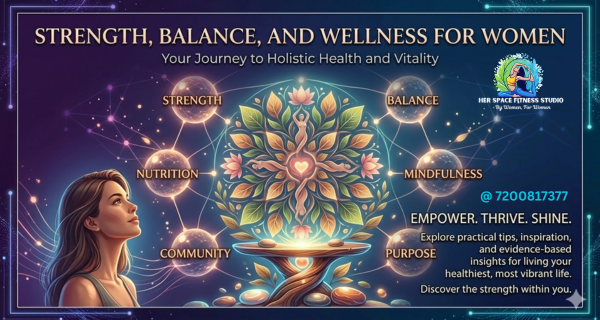
Ultimately, the future of women-centered fitness is not about the number on the scale — it’s about strength, resilience, confidence, and self-care. Empowered women are demanding workouts that respect their physiology, support their emotional wellbeing, and fit into their lifestyles. This has shifted the narrative from aesthetic goals to health outcomes — a transformation reshaping the fitness industry worldwide.
Final Thoughts
The future of women-centered fitness is not just about workouts — it is about empowerment, personalization, and lifelong wellness. As science, technology, and awareness continue to evolve, fitness for women is becoming smarter, safer, and more supportive of real biological needs.
Strength training, cycle-based programming, mental health integration, and community-driven environments are redefining what it means to be “fit.” The focus is shifting from unrealistic beauty standards to confidence, resilience, and overall wellbeing.
In the years ahead, women will no longer adapt to generic fitness systems — fitness systems will adapt to women. And that transformation marks a powerful step toward healthier, stronger generations to come. 💜
About the Author