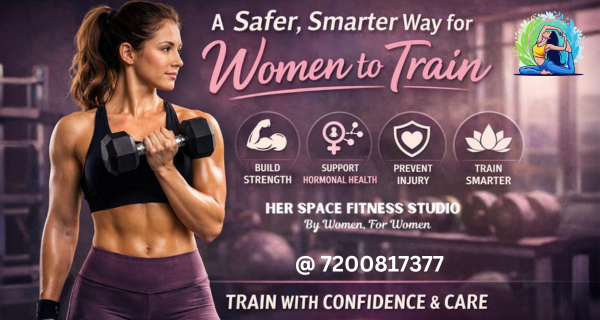
In today’s fast-paced world, women are balancing careers, family, health, and personal goals — often all at once. Fitness is no longer just about weight loss or aesthetics; it’s about strength, confidence, hormonal balance, longevity, and overall well-being. A safer, smarter way to train recognizes that women’s bodies are unique and require thoughtful, science-backed strategies rather than generic workout plans.
This article explores how women can train effectively while protecting their health, preventing injury, and achieving sustainable results.
Understanding the Female Body
Women’s physiology differs from men’s in several key ways — including hormonal cycles, muscle distribution, joint structure, and recovery patterns. Hormones such as estrogen and progesterone influence energy levels, strength, mood, and recovery.
A smarter training approach takes into account:
- Monthly hormonal fluctuations
- Bone density considerations
- Pelvic floor health
- Recovery needs
- Stress management
Instead of pushing through exhaustion, women benefit more from structured, adaptive programming.
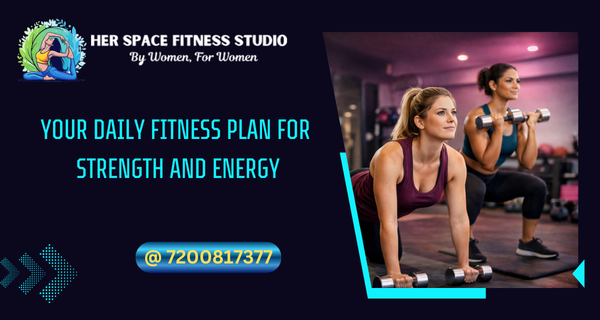
Prioritizing Strength Training
For years, many women were encouraged to focus only on cardio. However, research and modern fitness science strongly support strength training as the foundation of women’s health.
Benefits include:
- Improved metabolism
- Increased bone density (reduces osteoporosis risk)
- Better posture and joint stability
- Hormonal balance
- Enhanced body composition
Compound movements such as squats, lunges, push-ups, rows, and hip hinges build functional strength. Lifting weights does not make women “bulky” — it builds lean muscle, strength, and resilience.
A safe program includes progressive overload, proper form, and adequate rest between sessions.
Smarter Cardio, Not Excessive Cardio
Cardiovascular training is important for heart health, but excessive high-intensity cardio can increase cortisol (stress hormone) and negatively impact recovery.
A smarter approach includes:
- 2–3 moderate cardio sessions per week
- Low-impact options like brisk walking or cycling
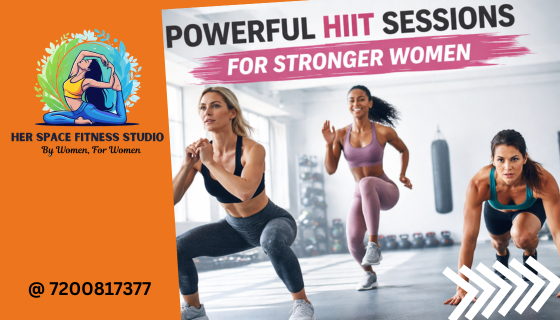
- Occasional HIIT sessions (1–2 times weekly max)
Balancing cardio with strength training prevents burnout and supports sustainable fat loss.
Injury Prevention and Joint Care
Women are statistically more prone to certain injuries, such as ACL tears, due to anatomical and hormonal factors. Training smart means focusing on:
- Glute activation
- Core stability
- Knee alignment
- Proper warm-ups and mobility work
Dynamic stretching before workouts and static stretching after sessions improve flexibility and reduce stiffness.
Listening to your body is not weakness — it’s wisdom.
Pelvic Floor and Core Health
A truly safe training program for women must include pelvic floor awareness. Pregnancy, childbirth, and even high-impact workouts can affect pelvic strength.
Include:
- Deep core exercises (dead bugs, bird dogs)
- Controlled breathing techniques
- Avoid excessive high-impact training if experiencing pelvic discomfort
When needed, consult a pelvic health specialist for personalized guidance.
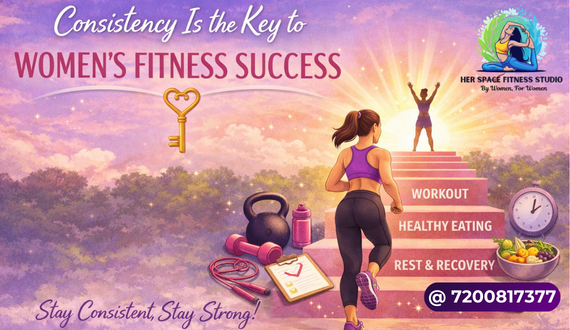
Recovery Is Non-Negotiable
Overtraining can disrupt hormones, sleep, and menstrual cycles. A smarter method values recovery as much as workouts.
Essential recovery tools:
- 7–8 hours of quality sleep
- Protein-rich nutrition
- Hydration
- Rest days
- Stress management practices like yoga or meditation
Muscles grow and repair during rest — not during the workout itself.
Nutrition That Supports Training
Training without proper nutrition can lead to fatigue and hormonal imbalance. Women need adequate:
- Protein for muscle repair
- Healthy fats for hormone production
- Complex carbohydrates for energy
- Iron-rich foods to prevent anemia
Crash dieting and extreme calorie restriction can negatively affect long-term health.
Training Through Life Stages
Women’s fitness needs evolve over time.
Teen Years: Focus on movement skills and foundational strength.
20s–30s: Build muscle, improve endurance, and establish consistent habits.
Pregnancy/Postpartum: Gentle strength, mobility, and pelvic care.
40s–50s: Emphasize bone health, strength maintenance, and joint support.
Menopause and Beyond: Resistance training becomes essential to combat muscle and bone loss.
Adapting training to each stage ensures safety and effectiveness.
Mindset Matters
A smarter way to train shifts the focus from punishment to empowerment. Exercise should feel supportive — not exhausting or overwhelming.
Instead of asking:
- “How many calories did I burn?”
Ask:
- “How strong do I feel?”
- “Is my body recovering well?”
- “Am I building long-term health?”
Confidence grows when women train with knowledge and intention.
Final Thoughts
A safer, smarter way for women to train is not about doing more — it’s about doing what works. Prioritizing strength, respecting recovery, supporting hormonal health, and training with awareness creates lasting results.
When women train intelligently, they don’t just transform their bodies — they build resilience, vitality, and lifelong wellness.
Fitness is not a short-term challenge. It is a long-term investment in strength, health, and self-confidence.
About the Author