
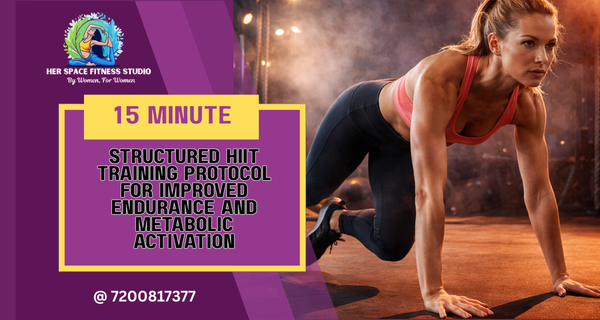
High-Intensity Interval Training (HIIT) has become one of the most effective and time-efficient workout methods for improving cardiovascular endurance and boosting metabolic activity. A structured HIIT protocol ensures that workouts are safe, progressive, and aligned with fitness goals rather than random bursts of intense exercise.
This article explains how a well-designed HIIT structure enhances endurance, activates metabolism, and delivers measurable results.
What Is HIIT?
High-Intensity Interval Training (HIIT) is a training method that alternates between short periods of intense exercise and controlled recovery phases. Unlike steady-state cardio, HIIT pushes the body close to its maximum capacity during work intervals.
It is based on the principle of interval conditioning, where high effort stimulates cardiovascular and metabolic adaptations, while rest intervals allow partial recovery before the next round.
Why Structured HIIT Matters
Many people perform HIIT incorrectly—either going too hard without proper recovery or not challenging themselves enough. A structured protocol provides:
- Defined work-to-rest ratios
- Progressive overload
- Planned recovery cycles
- Measurable performance tracking
This structure helps prevent overtraining, injuries, and metabolic burnout while maximizing results.
How HIIT Improves Endurance
HIIT enhances both aerobic and anaerobic endurance by:
1. Increasing VO₂ Max
Short bursts of high-intensity effort push the cardiovascular system to deliver oxygen more efficiently to muscles.
2. Improving Lactate Threshold
The body becomes better at clearing lactate buildup, allowing longer sustained performance.
3. Strengthening the Heart
The heart adapts by pumping more blood per beat (increased stroke volume), improving overall stamina.
How HIIT Activates Metabolism
HIIT is highly effective for metabolic activation due to:
1. Excess Post-Exercise Oxygen Consumption (EPOC)
After intense training, the body continues burning calories while restoring oxygen levels. This “afterburn effect” increases total energy expenditure.
2. Hormonal Response
HIIT stimulates:
- Growth hormone release
- Increased adrenaline and noradrenaline
- Improved insulin sensitivity
These hormonal changes enhance fat oxidation and metabolic efficiency.
3. Mitochondrial Adaptation
Repeated high-intensity intervals increase mitochondrial density, improving the body’s ability to convert energy.
Structured HIIT Training Protocol
Here is a practical framework for endurance and metabolic activation:
Phase 1: Warm-Up (5–10 Minutes)
- Dynamic mobility drills
- Light jogging or cycling
- Gradual heart rate elevation
Purpose: Prepare joints, muscles, and nervous system.
Phase 2: Work Intervals (Main Set)
Beginner Protocol
- 20 seconds high intensity
- 40 seconds active recovery
- 6–8 rounds
- 2–3 sessions per week
Intermediate Protocol
- 30 seconds high intensity
- 30 seconds recovery
- 8–12 rounds
- 3–4 sessions per week
Advanced Protocol
- 40 seconds high intensity
- 20 seconds recovery
- 12–16 rounds
- 4 sessions per week
Intensity should be at 80–95% of maximum effort during work intervals.
Phase 3: Cool Down (5–8 Minutes)
- Light movement
- Controlled breathing
- Gentle stretching
Purpose: Gradually lower heart rate and support recovery.
Sample HIIT Exercise Options
You can structure HIIT using different modalities:
Cardio-Based
- Sprinting
- Cycling
- Rowing
- Jump rope
Bodyweight
- Burpees
- Mountain climbers
- Jump squats
- High knees
Strength + Cardio Hybrid
- Kettlebell swings
- Dumbbell thrusters
- Battle ropes
- Medicine ball slams
Weekly HIIT Structure for Endurance
Example Weekly Plan:
- Monday – HIIT Cardio
- Tuesday – Strength training
- Wednesday – Active recovery or yoga
- Thursday – HIIT Hybrid
- Friday – Rest or mobility
- Saturday – Moderate steady-state cardio
- Sunday – Rest
Balancing HIIT with recovery ensures sustainable metabolic improvements.
Progression Strategy
To continuously improve endurance:
- Increase work interval duration
- Reduce rest time
- Add more rounds
- Increase resistance or speed
- Improve movement efficiency
Progression should be gradual to avoid overtraining.
Safety Guidelines
- Always warm up properly
- Avoid daily HIIT without rest
- Monitor heart rate
- Stay hydrated
- Modify intensity if recovering from injury
HIIT is powerful but must be implemented intelligently.
Who Benefits Most from Structured HIIT?
- Busy professionals with limited workout time
- Individuals seeking fat loss
- Athletes improving conditioning
- Women balancing strength and metabolic fitness
- Anyone looking to break performance plateaus
Final Thoughts
A structured HIIT training protocol is more than intense exercise—it is a scientifically guided method for enhancing endurance and activating metabolism. By combining progressive intervals, strategic recovery, and proper programming, HIIT becomes a sustainable and results-driven training system.
When applied consistently and intelligently, structured HIIT can transform cardiovascular health, metabolic efficiency, and overall fitness performance in a time-efficient manner.
About the Author