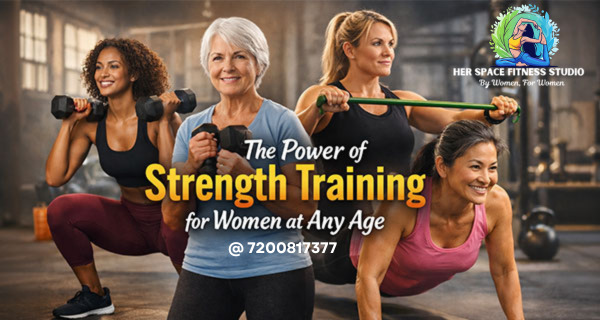
Strength training — also called resistance training — involves exercises where your muscles work against a force. This includes lifting weights, using resistance bands, performing body-weight moves like squats and push-ups, or working with machines. While often associated with gym workouts, strength training can be adapted to any setting, ability, age, and fitness level.
Why Strength Training Matters for Women
Women have unique physiological needs and changes throughout life, including puberty, pregnancy, menopause, and aging. Strength training isn’t just about building muscles — it’s a fundamental form of movement that benefits your body, mind, independence, and long-term health.
1. Preserves and Builds Muscle at Every Age
Muscle mass naturally declines with aging — a condition known as sarcopenia. Starting as early as your 30s, muscle begins to shrink if not actively maintained. Strength training signals your body to retain and build lean muscle, even in later decades of life. This helps you stay strong, active, and independent longer.
2. Boosts Metabolism and Aids Weight Management
Muscle tissue burns more calories than fat tissue, even while at rest. By increasing lean muscle through resistance exercises, your metabolism becomes more efficient — which helps with fat loss, weight management, and maintaining a healthy body composition at any age.
3. Strengthens Bones and Fights Osteoporosis
Women are at higher risk of osteoporosis (weakening of the bones), especially after menopause when estrogen levels fall. Strength training creates mechanical stress on bones, which stimulates bone-forming cells and improves bone density. This reduces the risk of fractures later in life.
4. Improves Joint Health and Reduces Injury Risk
Strong muscles support and stabilize joints, which can reduce joint pain and protect against injuries, especially from everyday movements like lifting, walking, or climbing stairs. Regular resistance work helps improve balance, coordination, and functional strength — all key for reducing falls and injuries as you age.
5. Enhances Mental Health and Confidence
Strength training releases endorphins, boosts mood, yoga reduces anxiety and stress, and can even improve self-esteem. For teenage girls and women of all ages, achieving new strength milestones builds confidence and promotes a positive self-image.
6. Supports Heart Health and Metabolic Wellness
Resistance exercise helps regulate blood sugar, reduce blood pressure, and improve cholesterol profiles. These effects contribute to reducing the risk of type 2 diabetes, cardiovascular disease, and metabolic syndrome. Some studies even show that moderate strength training is associated with lower risk of all-cause mortality.
7. Enhances Quality of Life and Everyday Function
Whether carrying groceries, picking up children, or ascending stairs, stronger muscles make daily life easier. Improving muscular endurance means less fatigue, better mobility, and greater independence — all essential as you age.
Strength Training Through Life Stages
For Teens and Young Adults
- Helps establish a strong musculoskeletal foundation.
- Boosts metabolism and supports hormonal balance.
- Increases confidence and body awareness.
For Women in Their 30s and 40s
- Helps counter early muscle loss.
- Supports metabolism as hormonal changes begin.
- Prevents midlife weight gain and improves stamina.
During and After Pregnancy
- With medical clearance, appropriately modified resistance training can maintain strength, reduce discomfort, and support postpartum recovery.
- Women muscle building workout plan.
For Post-Menopausal Women
- Becomes especially vital due to accelerated bone and muscle loss after menopause.
- Helps manage symptoms and reduce risks associated with aging, such as falls and fractures.
Common Myths and Misconceptions
Myth: Strength training makes women bulky.
Fact: Most women don’t have the testosterone levels needed to develop large, bulky muscles. Instead, resistance workouts typically build lean muscle tone — stronger, shapely, and functional.
Myth: Only young people benefit.
Fact: Women of all ages benefit — from teens to seniors — with appropriate modifications and progression.
Myth: Cardio alone is enough.
Fact: While cardiovascular exercise is important, it doesn’t prevent muscle loss or build bone density the way strength training does. A combination of both yields the best health outcomes.
How to Get Started Safely
- Start with basic movements: Squats, lunges, push-ups, rows, and planks can be effective using body weight or light resistance.
- Progress gradually: As you get stronger, increase resistance through dumbbells, bands, or machines.
- Aim for consistency: Two to three strength sessions per week is a good goal for many women.
- Prioritize form and recovery: Use proper technique and allow muscles to recover between sessions.
- Consult a professional: A certified trainer or coach can tailor a program that suits your goals and health profile.
Conclusion
Strength training is one of the most powerful forms of exercise women can do — not just for building muscles, but for enhancing overall health, longevity, confidence, and quality of life. Whether you’re 18 or 80, resistance training helps you stay strong, lean, mobile, and resilient against the challenges of aging. Starting or maintaining a strength-training routine today is an investment in lifelong health and vitality — proving that strength truly has no age limit.
About the Author