Have you ever thought,
“She lost weight in just one month… why am I not seeing results?”
This thought is more common than we admit. But constantly comparing fitness journeys can quietly slow down your progress and drain your motivation—especially for women.
In this blog, we’ll explore why comparison is harmful, how it affects women differently, and what to focus on instead for real, sustainable results.
Why do people compare fitness journeys?
Fitness comparison often comes from:
- Social media before-and-after photos
- Friends sharing fast weight-loss results
- Marketing that promises “quick transformations”
But what we forget is this 👉 no two fitness journeys are the same. Fitness is not a competition—it’s a personal journey.
Why shouldn’t you compare your fitness journey with others?
Every body responds differently
Fitness progress depends on many factors:
- Body type
- Age
- Hormonal balance
- Stress and sleep
- Previous fitness history
Even if two people follow the same workout routine, their results will never be identical. Comparing outcomes creates unrealistic expectations. Different results don’t mean you’re failing—they mean your body is different.
Does comparing fitness progress slow down results?
Yes—both mentally and physically.
Mental stress directly affects physical recovery and fat loss.
Constant comparison can:
- Increase stress hormones like cortisol
- Reduce motivation and confidence
- Lead to overtraining or crash dieting
Over time, this results in:
- Slower fat loss
- Lower energy levels
- Inconsistent workout habits
Comparison often becomes a hidden reason for stalled progress.
Why is fitness comparison more challenging for women?
Women face additional pressure due to:
- Unrealistic beauty standards
- Social media influence
- Generic fitness programs not designed for female physiology
Women’s bodies are affected by:
- Hormonal fluctuations
- Stress sensitivity
- PCOS and thyroid conditions
- Energy level variations
That’s why personalized training is far more effective than copying someone else’s routine.
Is everyone’s weight-loss timeline different?
Absolutely.
Weight loss is influenced by:
- Metabolism
- Lifestyle habits
- Nutrition quality
- Strength and muscle mass
Some women experience strength and energy improvements first, followed by fat loss later. Progress isn’t always visible on the scale. This is why two people starting together rarely finish at the same pace.
What problems does constant comparison create?
- Self-doubt and frustration
- Skipping rest and recovery
- Frequently changing workouts
- Giving up too early
Over time, this creates confusion instead of clarity. Instead of listening to your body, comparison pushes you to follow plans that may not suit you.
What should you focus on instead of comparison?
Shift your attention to:
- Strength improvements
- Energy and mood
- Workout consistency
- Long-term habits
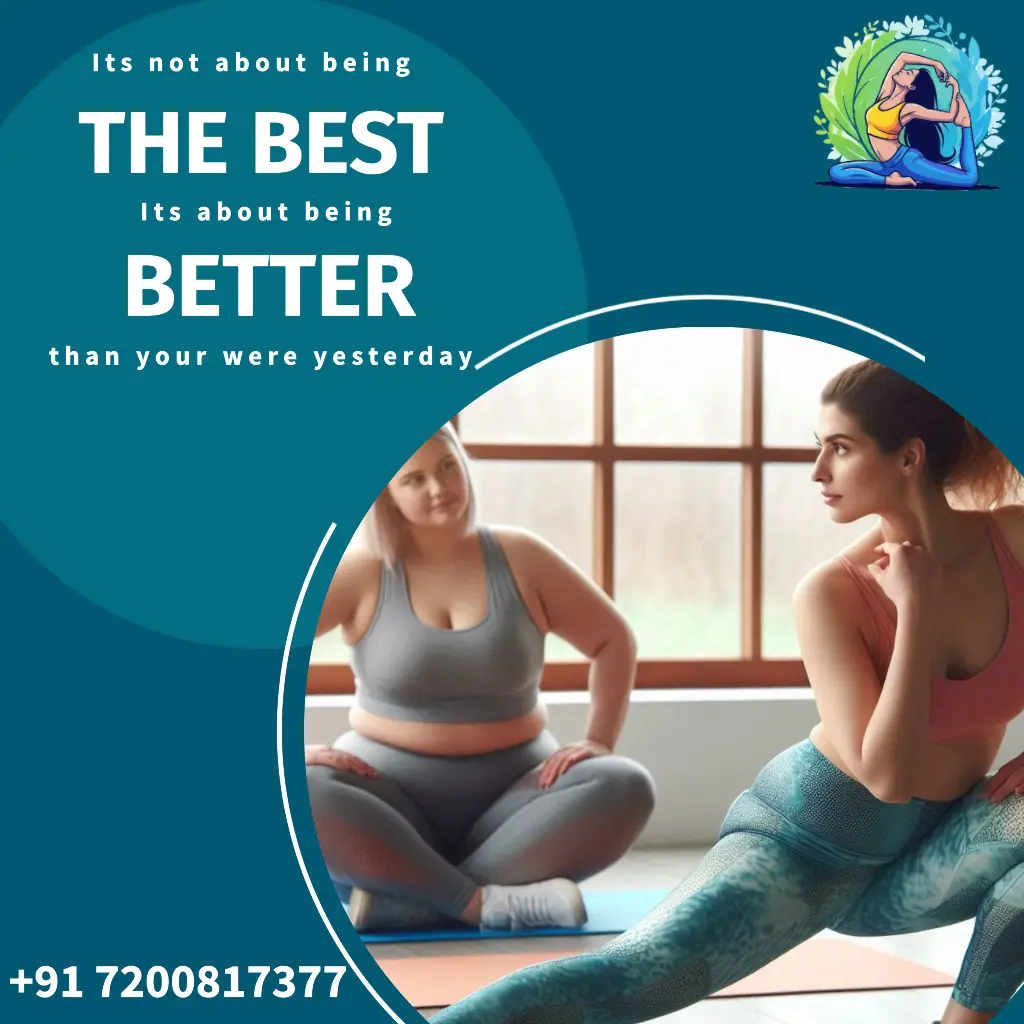
Tracking how you feel and perform is often more valuable than tracking numbers alone.
Keeping a simple progress journal can help you stay focused on your own journey.
Why guided training helps women progress better
Women tend to see better results when training is:
- Structured
- Progressive
- Adapted to individual fitness levels
Women-focused fitness environments that combine yoga, strength training, HIIT, cardio, and prop-based workouts help reduce comparison and encourage sustainable progress.
Women-only fitness studios such as Her Space in Chennai follow this personalized, non-comparative approach.
Final thoughts
Comparing fitness journeys doesn’t lead to better results—understanding your own body does.
When you stop comparing:
- Motivation lasts longer
- Progress feels achievable
- Fitness becomes sustainable
Your journey doesn’t need to look like anyone else’s.
It just needs to move forward—at your pace.
If you’d like to explore training options designed around individual progress rather than comparison, you can learn more through Our Services.
About the Author