When women start a fitness journey, many expect quick, visible changes—dramatic weight loss, a smaller waist, or a lower number on the scale. But real, healthy fitness progress doesn’t always look flashy or fast. In fact, it often shows up in quiet, unexpected ways long before the mirror changes.
Understanding what true progress looks like can help women stay motivated, avoid burnout, and build habits that last a lifetime.
Fitness Progress Is Not Just About Weight Loss
One of the biggest myths in women’s fitness is that progress equals weight loss. The truth is, your body can be getting healthier even if the scale doesn’t move.
Healthy progress includes:
- Improved strength and endurance
- Better energy levels throughout the day
- Enhanced mood and mental clarity
- Improved sleep quality
- Reduced stress and anxiety
- Healthy fitness progress for women
Weight fluctuates naturally due to hormones, water retention, and menstrual cycles. Judging progress by weight alone can be misleading and discouraging.
Increased Strength Is a Major Sign of Progress
Being able to lift heavier weights, do more reps, or complete workouts that once felt impossible is a powerful indicator of progress.
You might notice:
- Exercises feel easier over time
- Better balance and coordination
- Stronger core and posture
- Daily tasks feel less tiring
Strength gains mean your muscles, bones, and metabolism are becoming healthier—even if your body shape hasn’t changed yet.
More Energy and Less Fatigue
Healthy fitness progress often shows up as better energy, not exhaustion.
Signs include:
- Waking up feeling refreshed
- Less afternoon fatigue
- Improved focus and productivity
- Feeling energized after workouts instead of drained
If fitness is done right, it should support your life—not leave you constantly tired.
Improved Relationship With Food
As fitness becomes sustainable, many women notice a healthier mindset around food.
Progress looks like:
- Fewer cravings for ultra-processed foods
- Better hunger and fullness awareness
- Eating without guilt or restriction
- Choosing nourishing foods naturally, not forcefully
Healthy fitness supports balanced nutrition—not extreme dieting.
Better Sleep and Recovery
Sleep quality is one of the most overlooked signs of progress.
Positive changes include:
- Falling asleep faster
- Deeper, more restful sleep
- Less restlessness at night
- Waking up without body aches
Good recovery means your workouts and lifestyle are in balance.
Emotional and Mental Strength
Fitness progress is not just physical—it’s deeply emotional.
Women often experience:
- Improved confidence and self-trust
- Reduced stress and anxiety
- Better emotional regulation
- A sense of empowerment and independence
Feeling mentally stronger is just as important as physical results.
Body Changes That Are Subtle but Meaningful
Instead of dramatic transformations, healthy progress often shows up subtly:
- Clothes fitting better, not necessarily looser
- Improved muscle tone
- Reduced bloating
- Better posture and alignment
These changes happen gradually and sustainably.
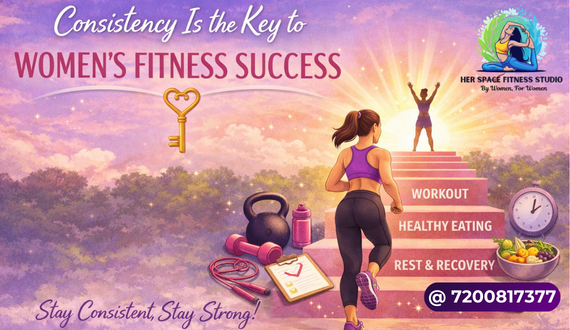
Consistency Without Burnout
True progress allows you to stay consistent without feeling overwhelmed.
Healthy routines feel:
- Flexible, not rigid
- Enjoyable, not punishing
- Sustainable during busy weeks
- Adaptable to life changes
If you can continue your routine long-term, that itself is progress.
Progress Is Not Linear—And That’s Normal
Women’s bodies are influenced by hormones, stress, sleep, and life stages. Some weeks feel amazing; others feel slow.
Healthy fitness progress accepts:
- Plateaus without panic
- Rest days without guilt
- Adjustments without quitting
- Patience without self-criticism
- Long term fitness success women
Progress moves forward even when it feels slow.
What Healthy Fitness Progress Is NOT
To avoid confusion, healthy progress is not:
- Extreme soreness every day
- Constant restriction or hunger
- Obsessing over numbers
- Comparing your journey to others
- Punishing workouts to “earn” food
If fitness harms your mental or physical health, it’s not real progress.
Final Thoughts
Healthy fitness progress for women is quiet, steady, and empowering. It’s about becoming stronger, more energetic, mentally resilient, and confident—not chasing unrealistic timelines or numbers.
When fitness supports your life, improves your well-being, and feels sustainable, you’re already succeeding—no matter what the scale says.
About the Author