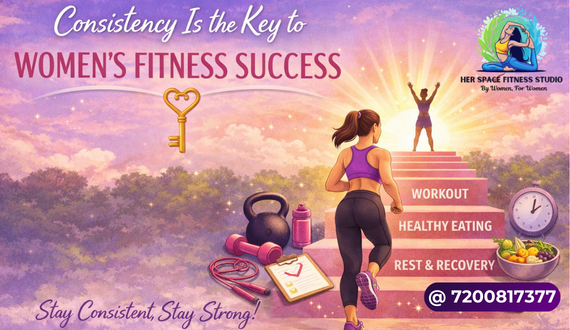
Balancing fitness with family responsibilities, work commitments, and personal time can feel overwhelming—especially for women who often juggle multiple roles every day. Many believe that staying fit requires hours at the fitness, strict routines, and sacrificing rest or relationships. The truth is, sustainable fitness is about integration, not perfection.
This article will help you understand how to realistically balance fitness with your busy life—without guilt, burnout, or unrealistic expectations.
1. Redefine What “Fitness” Really Means
Fitness is not just about intense workouts or achieving a certain body shape. True fitness includes:
- Physical strength and mobility
- Mental well-being
- Energy levels
- Stress management
- Consistency over time
- Time management for fitness
When you redefine fitness as supporting your life, not competing with it, balance becomes much easier.
2. Let Go of the “All-or-Nothing” Mindset
One of the biggest barriers to balance is thinking:
“If I can’t do a full workout, it’s not worth doing anything.”
This mindset leads to inconsistency and frustration. Instead:
- 10–15 minutes of movement still counts
- A short walk, stretching, or bodyweight routine is effective
- Consistency matters more than duration
Doing something is always better than doing nothing.
3. Schedule Fitness Like an Appointment
You wouldn’t skip a work meeting or family commitment—treat fitness the same way.
- Block workout time in your calendar
- Choose realistic time slots (early morning, lunch break, or evening)
- Keep sessions short and manageable
- Fitness and work life balance
Even 3–4 planned workouts per week can make a big difference.
4. Choose Workouts That Fit Your Lifestyle
The “best” workout is the one you can maintain. Consider:
- Home workouts instead of long fitness commutes
- Strength training 2–3 times per week
- Walking, yoga, or mobility work on busy days
Fitness should adapt to your life—not the other way around.
5. Involve Family Instead of Excluding Them
Fitness doesn’t have to take you away from family time.
- Go for walks with your partner or kids
- Play active games together
- Do quick workouts while kids are nearby
This not only saves time but also builds a healthy environment at home.
6. Protect Your Energy, Not Just Your Time
Many women feel they “don’t have time” for fitness—but often the real issue is low energy.
- Prioritise quality sleep
- Eat regular, nourishing meals
- Avoid overtraining and chronic dieting
When your energy improves, fitness feels less like a burden and more like support.
7. Create Simple Routines, Not Rigid Plans
Rigid fitness plans break easily under stress. Instead:
- Have a “minimum effort” workout option
- Keep flexible weekly goals
- Adjust intensity based on your workload and stress
A flexible routine allows you to stay consistent even during busy periods.
8. Don’t Forget Personal Time
Personal time is not selfish—it’s essential.
- Use fitness as “me-time” when possible
- Choose activities you genuinely enjoy
- Avoid comparing your routine to others
Your fitness journey should feel empowering, not exhausting.
9. Release Guilt Around Rest
Rest days are part of balance, not a failure.
- Rest supports recovery and hormones
- Skipping a workout doesn’t erase progress
- Long-term consistency beats short-term intensity
Listening to your body is a sign of strength, not weakness.
10. Focus on Long-Term Sustainability
The goal isn’t to balance everything perfectly every day. The goal is to:
- Stay consistent over months and years
- Adapt as life changes
- Build habits that support your health long-term
- Workout routine for busy women
Fitness should make your life better—not busier.
Final Thoughts
Balancing fitness with family, work, and personal time is not about doing more—it’s about doing what truly matters. When fitness becomes a tool to improve your energy, mood, and confidence, it naturally fits into your life.
Start small. Stay flexible. Be kind to yourself.
That’s how real balance is built.
About the Author