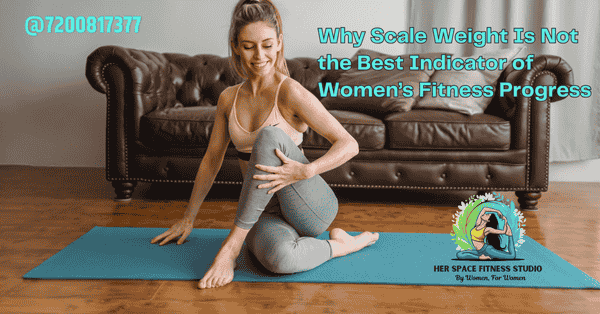
For many women, stepping on the scale becomes the ultimate measure of fitness success. A lower number often feels like progress, while a higher or stagnant number can feel discouraging—even after weeks of consistent workouts and healthy eating. But the truth is, scale weight alone is one of the most misleading indicators of women’s fitness progress.
Women’s bodies are complex, adaptive, and influenced by many factors beyond fat loss. Understanding why the scale doesn’t tell the full story can help you build a healthier, more sustainable relationship with fitness.
1. Muscle Gain Can Increase Weight While Improving Health
When women begin strength training, especially if they’re new to it, they often gain muscle while losing fat. Muscle tissue is denser than fat, meaning it takes up less space but weighs more.
So even if:
- Your clothes fit better
- Your body looks more toned
- Your strength has increased
- Scale weight vs fitness progress
…the scale may stay the same or even go up.
This doesn’t mean you’re not progressing—it means your body composition is improving.
2. Hormonal Fluctuations Affect Daily Weight
Women’s bodies naturally fluctuate due to hormonal changes throughout the menstrual cycle. Estrogen and progesterone shifts can cause:
- Water retention
- Bloating
- Temporary weight increases of 1–3 kg
These changes have nothing to do with fat gain, yet the scale reflects them immediately. This is why daily or weekly weigh-ins can create unnecessary stress and confusion.
3. Water Weight Masks Real Fat Loss
Hydration, sodium intake, stress levels, sleep quality, and inflammation from workouts all affect how much water your body holds.
For example:
- After a tough workout, muscles retain water for recovery
- Eating salty food can temporarily increase scale weight
- Poor sleep increases cortisol, leading to fluid retention
None of these reflect actual fat gain, but the scale can’t tell the difference.
4. The Scale Ignores Strength, Endurance, and Energy Levels
Fitness is not just about how much you weigh—it’s about what your body can do.
Positive progress the scale cannot measure includes:
- Lifting heavier weights
- Improved stamina
- Better posture
- Increased flexibility
- Higher daily energy
- Reduced joint or back pain
- Healthy weight loss mindset
A woman who weighs the same but feels stronger, more energetic, and confident is clearly progressing—even if the scale doesn’t change.
5. Stress and Obsession with the Scale Can Stall Progress
Constantly checking the scale can increase stress and anxiety. Elevated stress hormones like cortisol are linked to:
- Fat storage (especially around the abdomen)
- Slower recovery
- Increased cravings
- Disrupted sleep
Ironically, obsessing over weight can make fat loss harder.
6. Body Recomposition Doesn’t Show on the Scale
Many women experience body recomposition—losing fat while gaining muscle at the same time. During this phase:
- The scale may not move
- Measurements decrease
- Body shape changes significantly
This is one of the healthiest forms of progress, yet the scale completely fails to recognize it.
Better Ways to Track Women’s Fitness Progress
Instead of relying solely on the scale, consider these more meaningful indicators:
- Progress photos (monthly, same lighting and posture)
- Body measurements (waist, hips, thighs, arms)
- Strength progress (weights lifted, reps completed)
- Energy and mood levels
- Sleep quality
- How clothes fit
- Consistency and habits built
These markers reflect real, lasting health improvements.
Redefining Fitness Success for Women
Fitness progress is not linear, and it’s not defined by a single number. Women’s bodies respond to training in powerful but sometimes subtle ways. When you focus on strength, recovery, nourishment, and consistency, the results go far beyond weight loss.
About the Author