Why Post-Workout Recovery Matters
Exercise breaks down muscle fibers, depletes energy stores, and stresses the nervous system. Proper recovery helps muscles rebuild stronger, reduces soreness, balances hormones, and improves overall performance. For women, recovery is especially important because hormonal cycles, bone health, and joint stability can influence how the body responds to training.
1. Cool Down Properly (5–10 Minutes)
Never stop exercising abruptly. A cool-down helps your heart rate return to normal and reduces stiffness.
What to do:
- Slow walking or gentle cycling – 3 to 5 minutes
- Deep breathing: inhale through the nose, exhale through the mouth
- Light full-body movements (arm circles, hip rolls)
- Post workout recovery routine for women
Benefits:
- Prevents dizziness
- Improves circulation
- Reduces muscle tightness
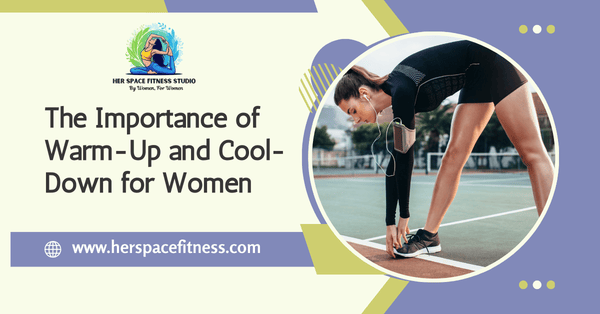
2. Stretch to Release Muscle Tension (8–12 Minutes)
Stretching improves flexibility and decreases post-workout soreness.
Focus areas for women:
- Hamstrings & calves
- Hip flexors & glutes
- Lower back
- Chest & shoulders
Best approach:
- Hold each stretch for 20–30 seconds
- Avoid bouncing
- Stretch until you feel mild tension, not pain
3. Rehydrate the Right Way
Sweating causes loss of water and electrolytes, which affects energy and recovery.
Smart hydration tips:
- Drink water immediately after exercise
- Add electrolytes after intense or long workouts
- Coconut water or lemon-salt water works well naturally
Why it matters:
- Prevents fatigue and headaches
- Supports muscle function
- Helps flush toxins from the body
- Muscle recovery routine for women
4. Refuel with Balanced Nutrition (Within 30–60 Minutes)
Your body needs nutrients to repair muscles and restore energy.
Ideal post-workout meal includes:
- Protein (muscle repair): eggs, paneer, tofu, Greek yogurt, lentils
- Carbohydrates (energy): fruits, oats, rice, sweet potatoes
- Healthy fats (hormonal balance): nuts, seeds, avocado
Simple meal ideas:
- Fruit smoothie with protein
- Dal + rice + vegetables
- Yogurt with fruits and seeds
5. Use Recovery Tools (Optional but Effective)
Recovery tools can speed up muscle repair and reduce soreness.
Popular options:
- Foam rolling (5–10 minutes)
- Massage or self-massage
- Warm shower for relaxation
- Ice packs for swelling or joint pain
Benefits:
- Improves blood flow
- Releases tight muscles
- Reduces delayed onset muscle soreness (DOMS)
6. Prioritize Quality Sleep (7–9 Hours)
Sleep is the most powerful recovery tool.
During sleep:
- Muscles repair and grow
- Hormones rebalance
- Nervous system resets
Tips for better sleep:
- Avoid screens 1 hour before bed
- Stretch lightly or meditate
- Maintain a consistent sleep schedule
7. Listen to Your Body
Not every day should be intense.
Important reminders:
- Take rest days when needed
- Adjust workouts during menstrual cycle phases
- Avoid pushing through pain
- Importance of recovery after workouts
Active recovery like yoga, walking, or mobility exercises helps keep the body moving without stress.
8. Mind-Body Recovery Matters Too
Mental stress can slow physical recovery.
Try:
- Deep breathing exercises
- Short meditation
- Journaling or quiet time after workouts
A calm mind supports better muscle recovery and overall well-being.
Final Thoughts
Post-workout recovery is not optional—it’s essential. When women focus on cooling down, stretching, hydration, nutrition, sleep, and rest, workouts become more effective and safer. Consistent recovery leads to better strength, fat loss, flexibility, and long-term fitness.
Train smart, recover well, and let your body thrive. 💪🌸
About the Author